Eventing horse care is a fascinating blend of art and science that ensures both horse and rider excel in their performance. This comprehensive approach covers everything from grooming to nutrition, making it an essential read for anyone passionate about equestrian sports. Taking care of an eventing horse goes beyond mere upkeep; it involves an understanding of the horse’s needs, training requirements, and health considerations to truly shine in competitions.
In this exploration, we’ll delve into the critical aspects of caring for eventing horses, including grooming rituals tailored for their specific demands, nutritional guidelines to keep them energized, and the equipment that plays a vital role in their training and performance.
Eventing Horse Care Basics
Caring for eventing horses requires a thorough understanding of their unique needs, from grooming and nutrition to the proper maintenance of equipment. Ensuring that these equine athletes receive the best care possible is essential for their performance and overall well-being. In this section, we will cover key aspects of eventing horse care that are vital for any owner or rider involved in the sport.
Essential Aspects of Horse Grooming Specific to Eventing
Grooming is not just about aesthetics; it plays a critical role in the health and comfort of eventing horses. Regular grooming helps to maintain coat condition, prevent skin issues, and strengthen the bond between horse and rider.
- Daily Grooming: Eventing horses should be groomed daily to keep their coats clean and free from dirt and debris. Use a curry comb to loosen dirt and hair, followed by a stiff brush to remove it.
- Hoof Care: Inspect hooves daily for any signs of stones, cracks, or thrush. Regular cleaning and maintenance, including farrier visits every six to eight weeks, are crucial.
- Bathing: Regular baths help to keep the coat shiny and healthy, especially after competitions. Use equine-specific shampoos to avoid skin irritation.
- Tail and Mane Care: Detangle the mane and tail gently with a wide-toothed comb. Regular conditioning can prevent breakage and keep the hair healthy.
Importance of Nutrition for Eventing Horses and Sample Feeding Schedule
Proper nutrition is vital for the performance, recovery, and overall health of eventing horses. These animals require a balanced diet rich in energy, protein, vitamins, and minerals to support their demanding physical activities.
“A well-nourished horse is better equipped to perform at optimal levels and recover efficiently from competition.”
Sample feeding schedule:
- Morning: 2-3 lbs of high-quality hay (timothy or grass), 1 lb of grain (high-energy performance mix), and a bucket of fresh water.
- Afternoon: 2-3 lbs of hay and a small portion of electrolytes mixed in water, especially after workouts.
- Evening: 2-3 lbs of hay, 1 lb of grain, and a scoop of vitamins or supplements based on the horse’s specific needs.
It is essential to adjust the feeding amounts according to the horse’s workload, age, and health condition.
Types of Equipment Necessary for Eventing and Equipment Maintenance
Eventing requires specific equipment to ensure safety and performance during competitions. Proper maintenance of this equipment is crucial for optimal function and longevity.
- Bridle and Saddle: Ensure that the bridle fits correctly and is regularly cleaned to prevent wear and tear. The saddle should be checked for fit and condition after each ride.
- Protective Gear: Use eventing boots or wraps to protect your horse’s legs during training and competition. Regularly inspect for damage and replace as necessary.
- Jumping Equipment: Ensure that jump poles and fillers are in good condition, checking for splinters and stability. Store them properly to extend their lifespan.
- Grooming Supplies: Maintain grooming tools by cleaning them regularly and replacing any worn items to ensure the best care for your horse’s coat.
Proper care of equipment not only enhances the performance of the horse but also contributes to the overall safety of both horse and rider during events.
Health and Safety in Eventing
Maintaining the health and safety of eventing horses is crucial for their performance and well-being. Eventing combines dressage, cross-country, and show jumping, putting significant physical demands on horses. Proper monitoring and care before, during, and after events not only help prevent injuries but also promote overall health and longevity in competitive horses.Monitoring horse health is an ongoing task that requires attention to detail.
Before an event, owners and riders should perform a thorough pre-event check, including observing the horse’s behavior, appetite, and physical condition. During the event, continuous assessment is vital; this includes monitoring the horse’s heart rate and respiration, especially after strenuous phases. Post-event, it is essential to evaluate the horse for signs of fatigue, dehydration, or injury.
Methods for Monitoring Horse Health
Regular health assessments can help identify potential issues early on. Below are effective methods for monitoring the health of eventing horses:
- Pre-Event Check: Assess the horse’s temperature, pulse, and respiration rate to establish a baseline. Check for any signs of lameness or discomfort.
- During Event Monitoring: Use a heart rate monitor to track the horse’s response to exertion, especially during cross-country and jumping phases.
- Post-Event Evaluation: Observe the horse closely for any signs of stress or injury, such as limping or reluctance to move. Provide adequate hydration and nutrition to aid recovery.
Vaccinations and Health Checks
Routine vaccinations and health checks are essential for maintaining the health of eventing horses. The following vaccinations are typically recommended:
- Equine Influenza: Annual vaccination to protect against respiratory viruses.
- Tetanus: Vaccination every 5 years, or more frequently if the horse is at risk.
- West Nile Virus: Annual vaccination, especially in regions where the disease is prevalent.
- Rabies: Required in many areas, annual vaccination is critical for all horses.
Health checks should also include dental examinations, regular hoof care, and assessments for parasites. Keeping a consistent health management routine ensures eventing horses remain fit and ready for competition.
Common Injuries and Prevention Strategies
Eventing horses are susceptible to various injuries due to the demands of the sport. Understanding common injuries and implementing prevention strategies is vital for their well-being. Here are some of the prevalent injuries in eventing:
- Soft Tissue Injuries: Muscle strains and ligament issues are common. Prevent them through proper warm-up exercises and gradually increasing the intensity of training.
- Joint Injuries: Conditions like arthritis or inflammation can develop. Regular joint supplements, weight management, and appropriate shoeing can help mitigate risks.
- Hoof Problems: Issues like cracks or abscesses can arise from strenuous activity. Regular hoof care and proper footing can prevent these problems.
- Concussion Injuries: Occur primarily in jumping phases. Using high-quality protective gear, such as fetlock boots and knee boots, can help minimize the risk.
Providing the right care, monitoring health diligently, and actively preventing injuries are all key components to ensuring the health and longevity of eventing horses.
Eventing Training Techniques
Training for eventing requires a well-structured approach that combines different disciplines, particularly show jumping and cross-country. A successful training plan not only enhances the horse’s performance but also focuses on its overall well-being and readiness for competitions. This section delves into the essential training techniques that can elevate an eventing horse’s abilities while ensuring it remains healthy and enthusiastic throughout its training journey.
Structured Training Plan for Show Jumping and Cross-Country Preparation
Creating a comprehensive training plan is vital for preparing your horse for both show jumping and cross-country events. A typical plan should focus on building skills progressively over time. Here are key components to integrate into your training schedule:
- Warm-up sessions: Every training session should begin with a proper warm-up, including walking, trotting, and some lateral movements to loosen the horse’s muscles.
- Jumping drills: Incorporate grid work and single jumps to improve the horse’s technique and confidence over obstacles. Focus on various heights and widths to challenge the horse appropriately.
- Cross-country courses: Regularly practice on cross-country courses, emphasizing different terrains and obstacles to build the horse’s adaptability and stamina.
- Cool down: End each session with a cool-down period, allowing the horse to relax and recover, which is crucial for muscle health.
Importance of Conditioning for Eventing Horses
Conditioning plays a pivotal role in preparing eventing horses for the physical demands of competition. It focuses on enhancing cardiovascular fitness, muscle strength, and flexibility. Proper conditioning ensures that horses can perform at their best without succumbing to fatigue or injury.
- Hill work: Training on hills improves strength and stamina while engaging key muscle groups essential for jumping and galloping.
- Interval training: Incorporate intervals of fast and slow work to build both speed and endurance. This type of training can mimic the varying paces experienced during competition.
- Swimming: Swimming is an excellent low-impact exercise that builds muscle without stressing the joints, useful for recovery days.
- Long trots and canters: Regular long-distance trotting and cantering builds aerobic capacity and prepares the horse for the duration of cross-country events.
Role of Ground Work in Eventing Success
Ground work is an often-overlooked aspect of training that lays the foundation for a successful eventing career. It helps develop trust, communication, and responsiveness between horse and rider.
- Establishing respect: Ground work teaches horses to respect personal space and respond to cues, which is essential for safety and performance.
- Flexibility and balance: Exercises such as lunging and long-lining improve the horse’s flexibility and balance, making it more agile over jumps.
- Quick responsiveness: Ground work enhances a horse’s responsiveness to commands, which is crucial during high-pressure situations in competition.
- Confidence building: Introducing obstacles on the ground helps build the horse’s confidence, which can translate into improved performance during jumping and cross-country.
“Consistent and well-rounded training, integrating show jumping, cross-country preparation, and ground work, creates a resilient and capable eventing horse.”
Last Recap
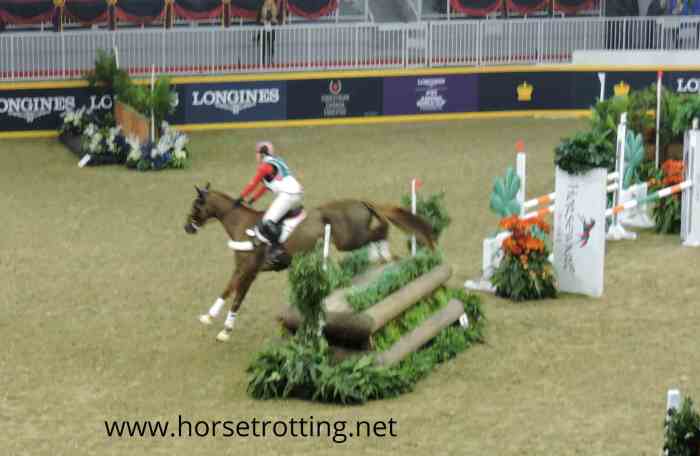
In conclusion, mastering the ins and outs of eventing horse care can significantly enhance both the rider’s and horse’s experience. From ensuring proper health checks to implementing effective training techniques, the insights provided here are invaluable for aspiring and seasoned equestrians alike. By prioritizing these essential care methods, riders can foster a lasting partnership with their horses, leading to greater success in the thrilling world of eventing.
Expert Answers
What is the best feeding schedule for eventing horses?
A well-balanced feeding schedule typically includes feedings three times a day, focusing on high-quality hay, grains, and supplements tailored to the horse’s specific needs.
How often should eventing horses be groomed?
Eventing horses should be groomed daily to promote skin health and check for any injuries or irritations.
What vaccinations do eventing horses need?
Common vaccinations for eventing horses include tetanus, Eastern and Western equine encephalomyelitis, West Nile virus, and rabies.
How do I prevent injuries in eventing horses?
Preventing injuries involves proper warm-up and cool-down routines, conditioning exercises, and regular veterinary checks.
What role does ground work play in training eventing horses?
Ground work helps establish communication, build trust, and improve the horse’s responsiveness, which are crucial for success in eventing.