Bikepacking essentials are crucial for anyone looking to explore the great outdoors on two wheels, combining the thrill of biking with the joys of camping. As you venture into nature, having the right gear not only enhances your experience but also ensures your safety and comfort along the way.
From selecting lightweight camping equipment to understanding the importance of multi-functional tools, this guide covers everything you need to know for planning your next bikepacking trip, including route selection and essential safety measures.
Bikepacking Gear Essentials
Bikepacking, the adventurous blend of biking and camping, requires thoughtful preparation to ensure an enjoyable journey. Selecting the right gear is crucial, as it can significantly impact your experience on the road or trail. Below, we will delve into the essentials that every bikepacker should consider before hitting the trail.
Must-Have Gear for Bikepacking Trips
When gearing up for a bikepacking adventure, it’s essential to carry lightweight, durable, and functional equipment. Here’s a detailed list of must-have gear to optimize your experience:
- Bike: A reliable bike suited for long-distance travel, such as a touring or gravel bike, is foundational for any bikepacking trip.
- Helmet: Safety is paramount; a quality helmet designed for cycling provides protection in case of accidents.
- Panniers or Frame Bags: These allow for organized and accessible storage of your gear, ensuring weight is distributed evenly.
- Sleeping System: A lightweight sleeping bag and a compact sleeping pad provide comfort and warmth without adding excessive bulk.
- Cooking Gear: A portable stove, fuel, and cooking utensils are necessary for preparing meals on the go.
- Water Filtration System: Staying hydrated is vital, and a water filter allows you to refill from natural sources safely.
- First Aid Kit: A well-stocked first aid kit is essential for addressing minor injuries and emergencies during the trip.
- Multi-Tool: A versatile multi-tool can handle repairs and adjustments, making it an invaluable addition to your kit.
Choosing lightweight camping equipment is not just about convenience; it directly influences the quality of your bikepacking experience. When every ounce counts, opting for gear that combines functionality and portability can prevent fatigue and enhance your mobility on the trail.
Importance of Lightweight Camping Equipment
Carrying bulky gear can lead to exhaustion and discomfort, diminishing the enjoyment of your outdoor adventure. Lightweight camping equipment allows for longer rides and easier navigation through varied terrains. Here are some important aspects to consider:
- Weight Savings: Reducing weight translates to less physical strain, allowing for longer distances with greater ease.
- Compactness: Gear that packs down small can fit easily on your bike, freeing up space for other essentials.
- Durability: Many lightweight options are constructed from advanced materials, ensuring they withstand the rigors of the trail.
“Lightweight gear not only makes for a more enjoyable ride but also enhances your ability to adapt to changing conditions on the trail.”
Benefits of Multi-Functional Tools Designed for Bikepacking
Multi-functional tools provide versatility and convenience, essential for any bikepacking adventure. These tools often combine several functions into one compact design, reducing the number of individual items you need to carry. Here are the key benefits of using multi-functional tools:
- Space Efficiency: Combining multiple tools into one reduces the space required in your gear, allowing for more efficient packing.
- Weight Reduction: A single multi-tool can replace several individual tools, helping to keep your overall weight down.
- Quick Repairs: Multi-tools often include essential functions like wrenches, screwdrivers, and tire levers that enable quick fixes on the go.
- Crisis Management: Having a multi-tool handy prepares you for unexpected equipment failures, ensuring you can address issues promptly.
“A good multi-functional tool can be the difference between a minor inconvenience and a major setback on your bikepacking journey.”
Planning a Bikepacking Route
Planning an effective bikepacking route is a critical aspect of ensuring a successful and enjoyable adventure. A well-thought-out route not only enhances the overall experience but also keeps you safe and well-prepared for various challenges along the way. This section will guide you through essential methods for mapping and selecting trails, evaluating the difficulty and terrain, and organizing necessary essentials for overnight stops and resupply locations during your journey.
Mapping and Selecting Bikepacking Trails
Choosing the right bikepacking trail starts with effective mapping techniques. Several digital tools and apps streamline this process, allowing you to visualize potential routes. Popular resources include:
- Trailforks: Offers detailed maps of trails worldwide, including mountain biking routes, complete with user-generated content about trail conditions.
- Komoot: Focuses on route planning for various activities, providing a platform to explore, plan, and navigate based on your biking preferences and skill level.
- AllTrails: Primarily for hiking, but many trails are also suitable for bikepacking. It includes user reviews and photos, offering insights into trail conditions.
By utilizing these tools, you can efficiently identify routes that align with your adventure goals, preferences, and skill levels.
Evaluating Difficulty and Terrain
Understanding the difficulty and terrain of selected routes is essential for a safe bikepacking experience. Various factors contribute to the overall challenge of a trail, and evaluating these can help prepare you adequately. Key aspects to consider include:
- Elevation Gain: Steeper trails typically require more physical exertion. An elevation gain of over 2000 feet in a single ride may indicate a challenging route.
- Surface Type: Gravel, dirt, or paved roads can affect your bike’s handling and speed. Trails with loose gravel may slow you down and require more effort.
- Weather Conditions: Seasonal weather patterns can drastically change trail conditions. Always check recent weather reports and trail descriptions for insights on muddy or washed-out sections.
Taking these factors into account will allow you to assess your fitness level and prepare accordingly, ensuring a more enjoyable ride.
Organizing Essentials for Overnight Stops and Resupply
Planning for overnight stops and resupply points is crucial for maintaining energy and comfort during your bikepacking journey. Knowing where to rest and restock can make a significant difference. Consider the following when organizing your essentials:
- Identify Campsites: Use mapping tools to locate designated campsites or areas where camping is permitted. Look for amenities such as water sources and restroom facilities.
- Resupply Locations: Plan your route to include towns or villages where you can replenish food, water, and other supplies. Aim to stop at least every couple of days to ensure you have enough provisions.
- Safety Precautions: Inform someone about your itinerary and expected timeline. Carry a lightweight emergency kit, including a first-aid pack and a multi-tool for bike repairs.
Having a clear plan for these aspects of your bikepacking route will enhance your overall experience, minimizing stress and maximizing enjoyment during your ride.
Safety and Maintenance in Bikepacking
Bikepacking can be an exhilarating adventure, but ensuring safety and maintaining your bike are crucial for a successful journey. Adequate preparation and knowledge about your gear can help mitigate risks and enhance your overall experience. By familiarizing yourself with essential maintenance tasks and safety gear, you can confidently tackle any trail.
Essential Bike Maintenance Tasks
Routine maintenance and quick fixes are vital for keeping your bike in optimal condition while bikepacking. Here are some key tasks to perform before and during your trip:Before your trip, conduct the following checks:
- Tire Inspection: Check for proper inflation and inspect for punctures or wear. A well-inflated tire minimizes the risk of flats.
- Brake Check: Ensure the brake pads are not worn down and that the brakes engage smoothly. Proper braking is critical for safety on descents.
- Chain Lubrication: Apply lubricant to your chain to enhance performance and prolong its lifespan. A smooth chain reduces effort and improves gear shifting.
- Gear and Derailleur Adjustment: Test your gears to ensure they shift smoothly. Misaligned derailleurs can lead to shifting issues during your ride.
During your trip, be prepared for on-the-go maintenance:
- Flat Tire Repair: Carry a patch kit and spare tube for quick flat repairs. Familiarizing yourself with the process beforehand can save time and frustration.
- Cable and Brake Adjustments: Bring a multi-tool to make quick adjustments to cables or brakes if they become loose or misaligned.
- Chain Repair: Carry a chain tool and a few extra links in case of a chain break. Being able to fix this issue on the trail is vital for continuing your journey.
Required Safety Gear for Bikepacking
Packing the right safety gear can significantly impact your well-being on the trail. Here’s a list of essential items every bikepacker should carry:
- Helmet: A properly fitting helmet is non-negotiable for head protection in case of falls.
- First Aid Kit: Include bandages, antiseptic wipes, and any personal medications. This kit can handle minor injuries effectively.
- Lights and Reflectors: Front and rear lights, along with reflectors, increase visibility during low-light conditions, ensuring other road users can see you.
- Emergency Whistle: A whistle is lightweight and can be essential for signaling for help if needed.
- Multi-tool: A multi-tool with various functions is indispensable for quick repairs and adjustments.
Common Issues and Solutions During Bikepacking
Bikepacking can present various challenges. Being prepared with solutions can make a significant difference. Here are common issues and their remedies:
- Punctured Tires: Carry a repair kit and spare tubes. Learn how to change a tire before your trip to ensure quick repairs.
- Mechanical Failures: Familiarize yourself with basic bike repairs, such as fixing a chain or adjusting brakes. Having a multi-tool handy is essential.
- Navigation Difficulties: Always have a physical map as a backup to your GPS or smartphone. It’s also beneficial to download offline maps.
- Weather Changes: Carry weather-appropriate gear, including waterproof jackets and extra layers. Being prepared for sudden changes can keep you safe and comfortable.
“An ounce of prevention is worth a pound of cure.” – Benjamin Franklin
Last Word
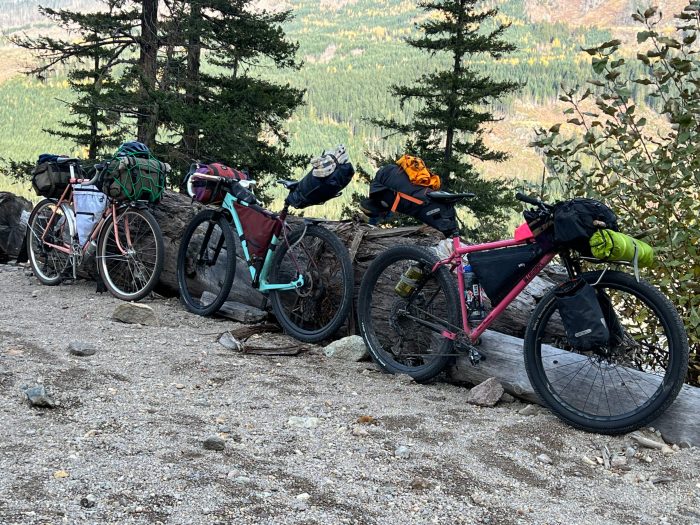
In conclusion, being well-prepared with the right bikepacking essentials can transform your outdoor adventure into a memorable experience. With thoughtful planning and the right gear, you’ll not only navigate the trails with confidence but also enjoy the beauty of nature without unnecessary complications.
FAQ Section
What type of bike is best for bikepacking?
A versatile touring or gravel bike is ideal for bikepacking as it can handle various terrains while providing comfort over long distances.
How do I pack my gear for bikepacking?
Distribute the weight evenly on your bike, placing heavier items low and closer to the center for better balance and stability.
Are there any specific safety tips for bikepacking?
Always wear a helmet, use lights for visibility, and carry a first aid kit, as well as basic tools for bike repairs.
How can I find suitable bikepacking routes?
Utilize online resources, maps, and local cycling groups to discover trails that match your skill level and desired scenery.
What should I do if I get lost while bikepacking?
Stay calm, retrace your steps if possible, and use a map or GPS to locate your position. Always have a backup navigation method in case of technology failure.