Track spikes for sprinters are a game-changer on the racing track, designed to boost performance and elevate speed. These specialized shoes play a pivotal role in ensuring athletes gain that extra edge, allowing them to maximize their potential during races.
With a variety of spike configurations, weights, and fits available, sprinters can find the perfect pair to enhance their efficiency and grip on the track, ultimately leading to improved race times.
Importance of Track Spikes for Sprinters
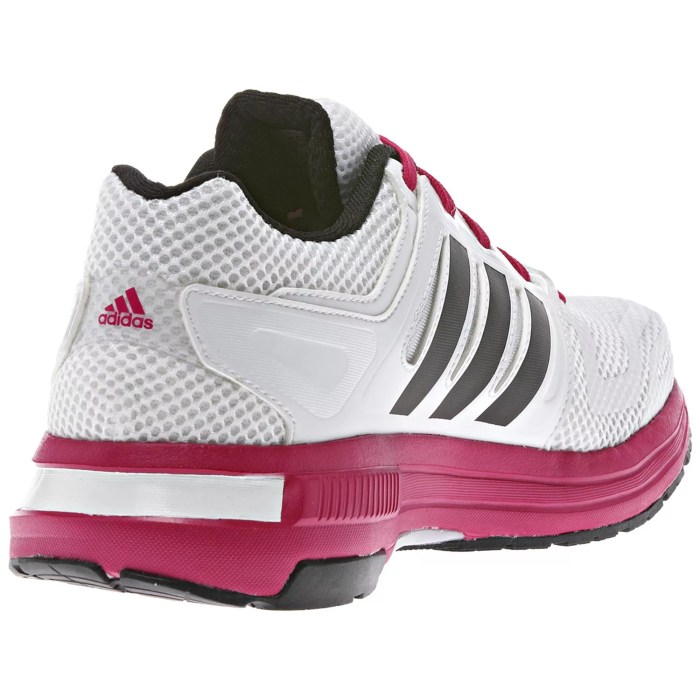
Track spikes are essential gear for sprinters, designed specifically to enhance performance on the track. These specialized shoes provide superior traction, stability, and propulsion, significantly influencing a sprinter’s speed and efficiency. Understanding the details of track spikes can help athletes select the right pair to maximize their potential.The design of track spikes incorporates unique features that optimize sprint performance. The spike configuration, comprised of different spike lengths and placements, directly affects a sprinter’s grip on the track surface.
For instance, shorter spikes enhance speed on synthetic tracks by reducing drag, while longer spikes improve traction on natural surfaces or during wet conditions. This tailored grip allows sprinters to push off with more force without the fear of slipping, ultimately translating into faster times.
Spike Configuration and Performance
The spike configuration plays a crucial role in how a sprinter interacts with the track. Different styles are tailored to various events and surface types. Here’s a closer look at how these configurations affect speed and traction:
- Spike Length: Shorter spikes (around 3-4 mm) are optimal for sprinting on tracks as they minimize the risk of dragging, while longer spikes (up to 7 mm) are suitable for distance races or uneven terrains, providing more grip.
- Spike Placement: The strategic placement of spikes influences weight distribution. A well-placed spike on the forefoot allows for better acceleration and explosive starts, while spikes positioned under the heel can enhance stability during the race.
- Spike Type: Steel spikes are popular for their durability and traction. In contrast, ceramic spikes can provide a lighter option but may wear down quicker, affecting performance over time.
The weight and fit of track spikes are equally important factors that contribute to a sprinter’s efficiency. A lightweight shoe minimizes fatigue and allows for quicker movements, thus enhancing speed. Additionally, a snug fit ensures that the foot remains stable in the shoe, preventing unnecessary movement that could lead to injuries or decreased performance. An ideal balance between comfort and support can make a significant difference during intense races.
Optimal spike weight combined with a precise fit can lead to improved overall performance and reduced risk of injury.
In summary, track spikes are more than just footwear; they are a critical component that influences a sprinter’s performance on various levels, from grip and traction to weight and fit. Understanding these elements can empower sprinters to make informed choices that amplify their capabilities on the track.
Choosing the Right Track Spikes
Selecting the appropriate track spikes is essential for sprinters seeking to enhance their performance. The right footwear can significantly impact speed, stability, and comfort during races. With various factors to consider, it is crucial to make an informed choice that aligns with the specific demands of each sprinting event.When selecting track spikes, it’s important to recognize several key features that can influence both performance and comfort.
Factors such as the type of spike plate, cushioning, fit, and weight play vital roles in how effective the spikes will be for a sprinter’s needs. Here are the critical features to consider:
Key Features to Consider
Understanding the essential attributes of track spikes can help sprinters make the best choice for their unique requirements. The following features should be evaluated:
- Spike Plate: The configuration and rigidity of the spike plate greatly affect traction and speed. A stiffer plate often provides better energy return for sprinting events.
- Cushioning: Adequate cushioning offers comfort during races and helps absorb impact. Sprinters may prefer less cushioning for a more responsive feel.
- Weight: Lightweight spikes promote speed, making them ideal for sprinters. However, finding a balance between lightness and durability is crucial.
- Fit: A snug but comfortable fit ensures stability and reduces the likelihood of blisters or discomfort during races. The shape of the shoe should fit the natural contours of the foot.
- Spike Length: Different events may require varying spike lengths for optimal grip. Generally, shorter spikes are used for sprints, while longer spikes may suit other track events.
To ensure an optimal fit and comfort before finalizing a purchase, testing the spikes is paramount. Here are some tips to consider when trying on track spikes:
Testing Fit and Comfort
Finding the right fit is essential to maximizing performance and preventing injury. Here are some effective ways to test track spikes before buying:
- Try Before You Buy: Wearing the spikes around the store, and if possible, on a track surface can provide immediate feedback on comfort and fit.
- Check for Toe Space: There should be about a thumb width of space between the toes and the front of the shoe to avoid discomfort during races.
- Evaluate the Arch: Ensure that the arch support aligns well with your foot’s natural arch to promote stability and comfort.
- Walk and Jog: Perform light movements in the spikes to assess how they feel during activity. Observe for any pinching or discomfort.
- Consider Sock Thickness: Wear the same socks you plan to use in competition to get an accurate fit during trials.
For sprinters, choosing the right brand can make a difference. Below is a comparison table of popular track spike brands, highlighting their specifications and features:
Comparison of Popular Track Spike Brands
This table Artikels some of the most recognized brands in the market, along with specifications that may influence purchasing decisions.
| Brand | Model | Spike Plate Type | Weight (oz) | Cushioning | Arch Support |
|---|---|---|---|---|---|
| Nike | Zoom Superfly Elite | Carbon Fiber | 5.6 | Minimal | Medium |
| Adidas | Adizero Prime SP | Flexible | 4.8 | Light | High |
| Puma | Evospeed Sprint | Carbon Fiber | 5.1 | None | Low |
| New Balance | MD500v7 | Stiff | 6.3 | Moderate | Medium |
Maintenance and Care for Track Spikes
Proper maintenance and care of track spikes are crucial for ensuring optimal performance and longevity. Regular cleaning and proper storage can significantly extend the lifespan of your spikes, allowing you to stay at the top of your game. This section will cover essential cleaning methods, storage tips, and common repairs to keep your track spikes in peak condition.
Cleaning Methods for Track Spikes
After each use, it is important to clean your track spikes to prevent dirt and debris from compromising their performance. Here are effective cleaning methods:
- Remove Excess Dirt: After your training session or competition, lightly tap the spikes against each other to dislodge loose dirt. Use a soft-bristled brush to gently scrub the spikes and plate.
- Wash with Mild Soap: Create a solution of mild soap and warm water. Use a cloth or sponge to wipe down the upper mesh and rubber parts of the spikes, avoiding excessive soaking.
- Rinse and Dry: Rinse with clean water to remove any soap residue. Allow the spikes to air dry completely, avoiding direct sunlight to prevent damage to the materials.
Storage Tips for Track Spikes
Proper storage is essential to prevent damage and maintain the integrity of your track spikes. Consider the following tips for optimal storage:
- Use a Spike Bag: Store your spikes in a dedicated spike bag to protect them from dust and physical damage. This also helps keep them organized.
- Avoid Humidity: Store your spikes in a cool, dry place to prevent moisture buildup, which can lead to mold and deterioration of materials.
- Remove Spikes: If storing for extended periods, consider removing the metal spikes from the shoes to avoid bending or damaging them.
Common Repairs for Track Spikes
Despite their durability, track spikes may require occasional repairs. Understanding common issues and how to address them can save you time and money.
- Replacing Worn Spikes: If the metal spikes become dull or worn down, replace them with new ones. Most spikes can be easily removed and replaced by unscrewing them with a wrench.
- Reattaching Loose Soles: If the sole starts to detach, use a strong adhesive specifically designed for footwear. Apply the adhesive evenly and clamp the sole until it sets.
- Cleaning and Reinforcing the Upper: If the upper mesh develops small tears, clean the area and apply a fabric adhesive or patch to reinforce it. This prevents further tearing and ensures longevity.
Regular maintenance not only enhances performance but also prolongs the life of your track spikes, making them a valuable investment for sprinters.
Related Sports and Their Equipment
In the realm of athletics, each sport has its own unique requirements that extend beyond just skill and training. Footwear plays a crucial role in optimizing performance, providing necessary support, traction, and comfort. This discussion delves into how various sports, such as martial arts, motorsports, strength sports, team sports, water sports, and winter sports, utilize specialized footwear and equipment tailored to their distinct demands.
Footwear Across Different Sports
Across different sports, footwear is designed with specific functionalities that cater to the activity’s demands. For instance, martial arts shoes often feature a flat sole for better grip and flexibility, allowing practitioners to perform quick foot movements. In contrast, motorsports footwear is engineered for precision and protection, often incorporating fire-resistant materials and reinforced soles for pedal control while maintaining a lightweight design.
Strength sports shoes, like weightlifting shoes, typically have a raised heel to aid in proper lifting posture and enhance stability.The following points illustrate the nuances in footwear across several sports:
- Martial Arts: Shoes are lightweight, flexible, and grip-enhanced, focusing on agility and balance.
- Motorsports: Designed for optimal pedal control and safety, often made from specialized materials to withstand heat and abrasion.
- Strength Sports: Features a flat sole with added support to help stabilize during heavy lifts, often made with durable materials.
Comparison of Track Spikes with Team, Water, and Winter Sports Footwear
When comparing track spikes to the footwear used in team sports, water sports, and winter sports, several key differences and similarities emerge. Team sports, such as soccer or basketball, require cleated or flat-soled shoes designed for lateral movements and quick changes in direction. These shoes often feature cushioning systems to absorb impact during jumps or sprints.In contrast, water sports, like rowing or kayaking, utilize specialized shoes that are lightweight, waterproof, and provide excellent grip on wet surfaces.
These shoes support the athlete’s need for balance and stability while also allowing for quick foot movements within a confined space.Winter sports footwear, such as ski boots, is specifically designed for insulation, support, and control during skiing or snowboarding. These boots often feature rigid structures that ensure proper alignment and transfer of energy to the skis or board.The differences can be summarized as follows:
- Track Spikes: Focus on lightweight design and traction for sprinting on tracks, with a stiff sole to maximize energy transfer.
- Team Sports Footwear: Provides cushioning and support for dynamic movements, often incorporating cleats or grips for traction.
- Water Sports Footwear: Prioritizes waterproofing and grip, supporting balance in wet conditions without added weight.
- Winter Sports Footwear: Emphasizes insulation and rigidity for performance in cold environments, designed to connect athletes firmly to their equipment.
Importance of Specialized Equipment in Enhancing Performance
Specialized equipment, including footwear, is vital in enhancing performance across various sports disciplines. The right gear can drastically reduce the risk of injury, improve efficiency, and increase overall athletic capabilities. For example, high-quality track spikes provide sprinters with the traction and propulsion needed to maximize their speed on the track. Similarly, a well-fitted ski boot ensures optimal control and power transfer, enabling athletes to navigate slopes effectively.In summary, the right specialized equipment tailored to each sport not only enhances performance but also contributes significantly to the safety and comfort of athletes.
The investment in proper footwear and related gear is essential for achieving peak performance and can make a marked difference in an athlete’s success.
Final Conclusion
In conclusion, choosing the right track spikes for sprinters is essential for achieving peak performance. By understanding the importance of spike configuration and maintenance, athletes can ensure their footwear enhances their sprinting experience, leading to faster, more efficient races.
Questions and Answers
What are track spikes made of?
Track spikes are typically made of lightweight materials like nylon or mesh for the upper part, while the sole is made from rubber or other durable materials to provide traction.
How do I know what spike length to use?
The spike length depends on the running surface and your event; generally, shorter spikes (about 1/4 inch) are best for sprints, while longer spikes (up to 1/2 inch) can be used for longer distances or softer surfaces.
Can I use track spikes on grass?
While track spikes are designed for synthetic tracks, they can be used on grass, but it’s best to choose longer spikes for better grip on softer surfaces.
How often should I replace my track spikes?
It’s recommended to replace track spikes every 300-500 miles of running or if you notice significant wear and tear, as this can affect performance and safety.
Are track spikes comfortable for long-distance running?
Track spikes are primarily designed for short-distance events; they may not provide the same level of comfort as distance running shoes due to their lightweight and minimalist construction.