Skateboarding in the Olympics marks a thrilling intersection of culture and competition, bringing a unique flair to the world of traditional sports. As this extreme sport made its Olympic debut, it captivated audiences and highlighted the dynamic lifestyle of skateboarders. This introduction not only celebrates the sport’s rich history but also delves into the milestones that paved its way into the Olympic arena, showcasing the evolution of skateboarding from street corners to global stages.
With its roots deeply embedded in youth culture and creativity, skateboarding has transformed over the years. The journey from its humble beginnings to becoming an Olympic staple reflects the sport’s vibrant community and its growing acceptance in mainstream athleticism. The upcoming sections will explore the technical aspects of Olympic skateboarding, legal and social challenges faced by athletes, and how this sport has reshaped perceptions of competition.
The History of Skateboarding in the Olympics
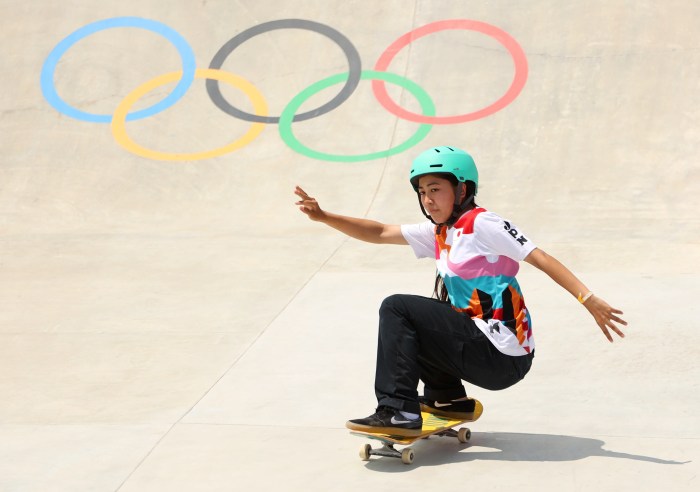
Skateboarding has evolved significantly since its inception in the 1950s, transforming from a niche pastime to a global phenomenon. Its inclusion in the Olympic Games marks a pivotal moment not only for the sport itself but also for its vibrant culture and community. The journey to Olympic recognition has been shaped by various milestones, from grassroots movements to competitive events that showcased the sport’s artistic and athletic merits.Skateboarding began as a creative outlet for surfers in California who sought to replicate the feeling of riding waves on land.
Over the following decades, the sport gained traction, leading to the establishment of competitions and the growth of skateboarding culture. The birth of the first skateboards, often made from wooden boards and roller skate wheels, paved the way for innovation and evolution in design.
Milestones Leading to Olympic Inclusion
The path to skateboarding’s inclusion in the Olympics involved several significant events and developments that underscored its emergence as a legitimate sport. Key milestones include:
- The establishment of the first skateboarding competitions in the 1960s, which attracted attention and laid the groundwork for organized events.
- The formation of the National Skateboarding Association (NSA) in 1975, which helped standardize competitions and promote skateboarding as a serious sport.
- The introduction of skateboarding in the X Games in 1995, which showcased the sport on an international stage and attracted a younger audience.
- The International Skateboarding Federation (ISF) formed in 2013 to advocate for skateboarding’s inclusion in the Olympics, uniting various stakeholders within the community.
- The official announcement in 2016 by the International Olympic Committee (IOC) that skateboarding would be included in the Tokyo 2020 Olympic Games, marking a historic moment for the sport.
The impact of these milestones has been profound, helping transform perceptions of skateboarding from a mere recreational activity into a recognized sport with competitive integrity.
Impact of Skateboarding Culture on the Olympics
Skateboarding’s entry into the Olympic arena has significantly influenced both the Olympics and skateboarding culture worldwide. It has bridged gaps between traditional sports and street culture, inviting a new audience and fostering inclusivity. This has resulted in the following effects:
“The inclusion of skateboarding in the Olympics symbolizes a shift towards embracing diverse sporting formats and cultures.”
The unique attributes of skateboarding culture, characterized by creativity, self-expression, and community, have resonated within the Olympic framework, promoting a more dynamic and engaging event. The Olympics, traditionally seen as a platform for conventional sports, has now incorporated elements of skateboarding that celebrate individual style and innovation. This has prompted traditional sports to adopt a more progressive approach, highlighting the importance of youth engagement and cultural relevance.Overall, skateboarding’s journey to the Olympics not only represents a significant milestone for the sport but also serves as a testament to the evolving nature of competitive athletics.
The vibrant culture surrounding skateboarding has enriched the Olympic experience, creating a more diverse and inclusive representation of sports on a global scale.
The Technical Aspects of Olympic Skateboarding
Skateboarding in the Olympics has brought a fresh perspective to the sport, showcasing its creative and athletic elements on a global stage. The technical aspects of Olympic skateboarding involve various disciplines, specific rules, and judging criteria that set it apart from traditional sports. Understanding these components is essential for both fans and participants, as they highlight the unique nature of skateboarding.
Disciplines and Rules
The Olympics feature two primary disciplines of skateboarding: street and park. Each discipline has its own set of rules and judging criteria that reflect the different skills and styles involved.
- Street Skateboarding: This discipline mimics urban environments, utilizing elements like stairs, rails, ledges, and flat ground. The goal is to perform tricks that demonstrate technical skill and creativity. Key rules include:
- Tricks must be executed on the designated street course features.
- Competitors are judged on trick difficulty, execution, and the overall flow of their runs.
- Park Skateboarding: This event takes place in a bowl or a specially designed park, focusing on transitions and flow. The features may include ramps, pools, and other curved surfaces. Important aspects of the rules include:
- Skaters must utilize all areas of the park to showcase versatility.
- Judging emphasizes the combination of speed, height, and trick complexity.
Comparison of Street and Park Skateboarding
While both street and park skateboarding involve performing tricks on a skateboard, they differ significantly in terms of environments and skills. Here are some comparative points:
| Aspect | Street Skateboarding | Park Skateboarding |
|---|---|---|
| Environment | Urban features like rails and stairs | Bowl or ramp structures with curves |
| Focus | Trick variety and technical execution | Flow, speed, and height in tricks |
| Judging Criteria | Trick difficulty, style, and creativity | Use of the park, transitions, and overall performance |
Judging Criteria in Olympic Skateboarding
Judging in Olympic skateboarding is distinctive and tailored to assess the unique attributes of the sport. Judges evaluate skaters based on several key criteria:
- Difficulty: The complexity of the tricks performed is critical. More challenging maneuvers typically garner higher scores.
- Execution: Precision and control during trick execution are vital. Flaws in technique can significantly impact a score.
- Creativity: Originality in trick selection and course use is rewarded, encouraging skaters to develop their personal style.
- Flow: The smoothness and coherence of a run matter, as judges look for seamless transitions between tricks.
In contrast to many other sports, which may have more rigid scoring systems, the judging in skateboarding allows for subjective interpretation, making it a unique element of competition. This subjectivity reflects the artistic side of skateboarding, where personal expression plays a crucial role in each performance.
Legal and Social Issues Surrounding Skateboarding in Sports
Skateboarding, while increasingly recognized as a legitimate sport, still faces a myriad of legal and societal hurdles. From the complexities of professional competition to the ongoing social stigma surrounding the culture, skateboarders navigate a landscape that is not always welcoming. Understanding these issues is crucial to fostering a more inclusive environment for athletes and enthusiasts alike.
Legal Challenges in Professional Skateboarding
Skateboarders attempting to compete professionally encounter several legal challenges that can hinder their careers. One primary issue is the lack of formal recognition and regulation within many regions, which can lead to disputes over competition eligibility and sponsorship rights. Key challenges include:
- Contractual Issues: Many skateboarders struggle with contract negotiations, often lacking the representation seen in more traditional sports. This can lead to unfavorable terms in sponsorship and competition agreements.
- Insurance and Liability: Skateboarding is perceived as a high-risk activity, resulting in difficulties obtaining insurance coverage for events or athletes, which can deter organizers from hosting competitions.
- Public Space Regulations: Legal restrictions on where skateboarding can take place often lead to conflicts with local governments or property owners, limiting access to suitable training and competition venues.
These issues highlight the need for better legal frameworks that protect skateboarders’ rights and promote the sport’s growth.
Social Stigma in Skateboarding
Despite its growing acceptance, skateboarding continues to be associated with negative stereotypes. Historically viewed as a rebellious activity linked to youth subculture, mainstream sports have often marginalized skateboarders. Addressing this stigma involves:
- Changing Perceptions: Engagement with traditional sports communities and sponsorship from reputable brands has begun to shift public views, highlighting skateboarding as a legitimate athletic endeavor.
- Representation in Media: Increased visibility through documentaries and social media campaigns has helped showcase the skills and dedication of skateboarders, challenging stereotypes.
- Inclusivity Initiatives: Programs aimed at integrating skateboarding into schools and community centers are essential in redefining the sport’s image and promoting diversity.
By continuously addressing these perceptions, the skateboarding community can create a more welcoming environment for all participants.
Environmental Considerations for Urban Skateboarding Spaces
As urban areas become increasingly crowded, the need for accessible skateboarding spaces has become a pressing concern. Environmental considerations play a significant role in the development and maintenance of these areas.Factors to consider include:
- Green Spaces: The integration of skate parks into green spaces not only provides a place for skating but also enhances urban biodiversity, promoting environmental health.
- Community Engagement: Involving local residents in the design and upkeep of skateboarding areas fosters a sense of ownership and encourages sustainable practices.
- Accessibility and Safety: Ensuring that skateboarding spaces are easily accessible to all skaters, including those with disabilities, is crucial in promoting inclusivity within the sport.
These environmental considerations underscore the importance of creating spaces that not only meet the needs of skateboarders but also contribute positively to urban environments.
Wrap-Up
In conclusion, Skateboarding in the Olympics not only enriches the Games but also challenges stereotypes, uniting diverse communities under a shared passion for sport and expression. As we reflect on the history, technicalities, and hurdles skateboarders navigate, it’s clear that this sport is not just a competition—it’s a cultural phenomenon that continues to evolve. The future of skateboarding in the Olympics is poised to inspire and engage a new generation of athletes and fans alike.
FAQ Resource
What are the different skateboarding disciplines in the Olympics?
There are primarily two disciplines featured: street and park skateboarding, each with its own unique set of rules and competition formats.
How is skateboarding judged in Olympic events?
Judging is based on criteria such as difficulty, creativity, and execution, which differ significantly from traditional sports scoring.
What legal challenges do skateboarders face?
Skateboarders often encounter issues related to professional licensing, competition eligibility, and safety regulations in public spaces.
How has skateboarding impacted mainstream sports culture?
Skateboarding has helped to broaden the definition of sports, emphasizing creativity and individuality, while challenging conventional norms.
What environmental considerations are there for skateboarding?
Urban skateboarding spaces raise concerns about accessibility and sustainability, prompting discussions on how to create eco-friendly environments for the sport.