Drift racing competitions have ignited a passion for automotive enthusiasts around the globe, showcasing the art of precision driving and skillful maneuvering. With roots deeply embedded in motorsports history, drifting blends style and speed, captivating audiences and participants alike. This thrilling motorsport not only emphasizes the drivers’ capabilities but also highlights the engineering marvels behind the vehicles designed specifically for this adrenaline-fueled sport.
From the exhilarating techniques to the heart-pounding competitions, drift racing is not just about speed; it’s about control, strategy, and the sheer joy of gliding through corners in a cloud of tire smoke. As we delve deeper into the world of drift racing, we will explore its fundamentals, key competitions, and the legal and safety considerations that shape this dynamic sport.
Drift Racing Basics
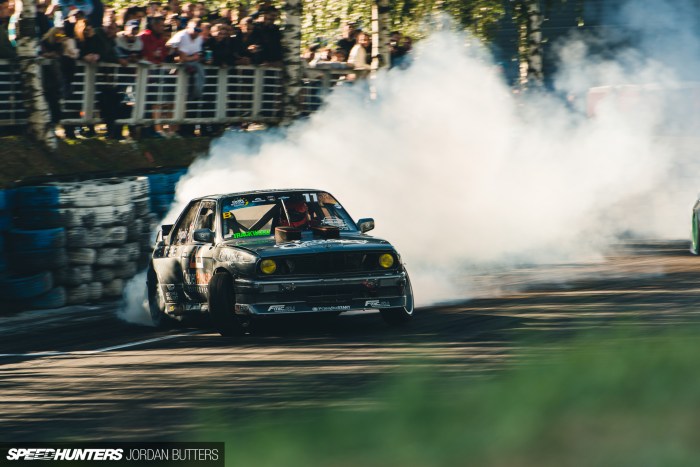
Drift racing is an exhilarating motorsport that emphasizes skillful driving techniques, where drivers intentionally oversteer their vehicles, allowing the rear wheels to lose traction while maintaining control through corners. Originating from Japan in the late 20th century, particularly in the mountainous regions, drift racing was influenced by street racing culture and has since evolved into a competitive format with dedicated events worldwide.Drift racing combines speed, precision, and style, requiring drivers to master various techniques to navigate courses effectively.
Key strategies include maintaining a balance between throttle control and steering input to execute perfect drifts. Understanding the vehicle’s dynamics and how to manipulate weight transfer is essential for successful drifting. Competitors are judged not only on speed but also on the smoothness and angle of their drifts, making technique and finesse as important as raw power.
Drift Racing Techniques and Strategies
Mastering drift racing involves several critical techniques that drivers utilize to maintain control while drifting. These techniques are essential for anyone looking to compete in drift racing events.
- Countersteering: This technique involves turning the steering wheel in the opposite direction of the drift to maintain control. The driver must react quickly to balance the car’s angle and prevent spinning out.
- Throttle Control: Applying the right amount of throttle is crucial. Too much throttle can lead to loss of control, while too little can cause the drift to stall.
- Weight Transfer: Shifting the weight of the car to the rear wheels by accelerating or to the front wheels by braking allows the driver to initiate or control a drift.
- Clutch Kicking: This technique involves pressing the clutch while accelerating to create a sudden shift in power, which helps to initiate a drift.
- Handbrake Turns: Using the handbrake while entering a corner can help induce a drift, allowing for tight turns and quick direction changes.
Types of Vehicles Used in Drift Racing Competitions
The choice of vehicle in drift racing greatly impacts performance, and several types of cars are commonly seen in competitions. These vehicles are usually modified to enhance their drifting capabilities.The most popular vehicles include:
- Nissan Silvia/240SX: Known for their balanced chassis and rear-wheel drive setup, these cars are favorites among drifters.
- BMW M Series: With powerful engines and excellent handling characteristics, BMWs are often modified for competitive drifting.
- Ford Mustang: The Mustang’s strong torque and rear-wheel drive make it a popular choice for American drifters.
- Toyota Corolla AE86: A classic in the drifting scene, the AE86 is celebrated for its lightweight and agility.
- Subaru BRZ/Toyota 86: These models offer a well-balanced chassis and are designed with sporty performance in mind, making them suitable for drifting.
Drift racing showcases not only the skill of the driver but also the engineering of the vehicles. Each car is typically equipped with modifications such as upgraded suspension systems, performance tires, and enhanced engines to optimize drifting performance.
Drift Racing Competitions
Drift racing competitions bring together skilled drivers who showcase their precision, creativity, and control in a thrilling motorsport environment. These events are not just about speed but focus heavily on style and technique, making them a unique spectacle for both competitors and spectators alike. The growing popularity of drift racing has led to the establishment of several major competitions around the globe, each with its own set of rules and judging criteria.
Popular Drift Racing Competitions
Various drift racing competitions are held worldwide, attracting top talent and enthusiastic fans. These competitions play a vital role in promoting the sport and providing a platform for drivers to demonstrate their skills. Below is a list of some of the most renowned drift racing competitions across the globe:
- Formula Drift (USA)
-The premier professional drifting series in the United States, recognized for drawing top drivers and teams. - D1 Grand Prix (Japan)
-One of the original and most prestigious drifting championships, featuring intense competition on iconic Japanese tracks. - King of Europe Drift Series (Europe)
-A highly competitive series that showcases the best drift talent across various European countries. - Drift Masters European Championship (Europe)
-A professional series that highlights the best drifters in Europe, with events held in multiple countries. - Street Drift (Various Locations)
-Local events that often serve as grassroots competitions for aspiring drifters to gain experience and recognition.
Rules and Regulations of Drift Racing Events
Drift racing events are governed by specific rules and regulations designed to ensure fairness, safety, and consistency across competitions. Understanding these regulations is crucial for participants and organizers alike. The following key rules generally apply to drift racing events:
- Eligibility – Drivers must meet specific licensing and age requirements, typically needing a valid racing license and being of a certain age.
- Vehicle Compliance – Cars must adhere to safety standards, including roll cages, safety harnesses, and fire extinguishers, along with specific modifications for drift performance.
- Track Limits – Drivers must stay within designated track boundaries to avoid penalties and ensure safety.
- Scoring System – Points are awarded based on performance in various categories, including style, speed, and control.
Judging Criteria in Drift Racing Competitions
Judging in drift racing relies on a comprehensive set of criteria that evaluates drivers on their performance during runs. Judges assess various aspects of drifting, each contributing to the overall score. The following criteria form the foundation of the judging process:
- Line – The path the car takes during the drift, with emphasis on following the designated line on the track.
- Angle – The degree of vehicle angle achieved during the drift; more extreme angles can lead to higher scores.
- Speed – Maintaining high speeds throughout the drift while managing control is crucial for scoring.
- Style – Judges look for creativity and flair in driving, which can differentiate competitors in close scoring situations.
- Cleanliness – Executing drifts with minimal mistakes, such as straightening out or hitting barriers, impacts overall performance scores.
“In drift racing, precision and style are just as important as speed, showcasing the driver’s ability to control the car in a dynamic environment.”
Legal and Safety Considerations
Drift racing, while an exhilarating motorsport, navigates a complex landscape of legal and safety concerns that vary widely across different regions. Participants and organizers must understand these regulations to ensure compliance and promote safe racing environments. This section delves into the legal framework surrounding drift racing, essential safety measures, and the broader impact on communities.
Legal Issues Surrounding Drift Racing
The legality of drift racing varies significantly from one jurisdiction to another. In some countries, organized drift events are held in controlled environments, while in others, street racing remains a persistent issue. Various legal considerations include:
Permits and Insurance
Many regions require specific permits for motorsport events. Organizers must also secure insurance to protect participants and spectators.
Traffic Regulations
Street drifting often violates local traffic laws, leading to fines, vehicle impoundment, or even criminal charges. In jurisdictions where drift racing is illegal, participants face severe penalties.
Event Regulations
Official drift competitions typically adhere to regulations set by governing bodies, which may include vehicle specifications, safety equipment requirements, and track standards.Understanding these regulations is crucial for participants to avoid legal repercussions and ensure that events are conducted safely and responsibly.
Safety Measures and Regulations
Safety in drift racing is paramount, given the inherent risks associated with high-speed maneuvers and vehicle control. Various measures and regulations are put in place to protect drivers, crews, and spectators:
Personal Protective Equipment (PPE)
Drivers must wear helmets, fire-resistant suits, gloves, and appropriate footwear to minimize injury risks.
Vehicle Safety Standards
Vehicles must often meet specific safety standards, such as roll cages, proper seatbelts, and fire suppression systems to enhance driver protection during events.
Medical Assistance
Presence of medical personnel and equipment is mandatory at drift events to ensure timely response in case of accidents.Implementing robust safety protocols not only safeguards participants but also fosters a culture of responsibility within the drift racing community.
Impact on Public Roads and Community Perceptions
Drift racing’s presence on public roads can lead to community challenges, including noise complaints, safety concerns, and traffic disruptions. The perception of drift racing can vary based on individual experiences and local culture:
Community Concerns
Residents may view street drifting as a nuisance, fearing accidents or property damage. This often leads to a negative perception of motorsports in general.
Promoting Legal Events
Organizing legal drift events can positively shift community perceptions. When events are held in controlled settings, they can become community attractions, boosting local businesses and fostering enthusiasm for motorsports.
Education and Outreach
Engaging with the community through education about the sport and its legal aspects can help alleviate concerns. Demonstrating the safety measures in place during organized events can also enhance public support.By addressing these legal and safety considerations, the drift racing community can promote responsible participation, ensuring the sport continues to thrive in a positive and safe manner.
Ending Remarks
In conclusion, drift racing competitions represent a unique fusion of art and speed, captivating fans and participants while pushing the boundaries of driving skill. With a diverse range of events, regulations, and safety measures in place, the community continues to thrive amidst challenges and legal implications. As we reflect on the exhilarating world of drift racing, it becomes clear that this sport is not just about competition—it’s a celebration of passion, precision, and the relentless pursuit of mastery on the asphalt.
Expert Answers
What is drift racing?
Drift racing is a motorsport that involves intentionally oversteering a vehicle, causing the rear tires to lose traction while maintaining control through turns.
What types of vehicles are used in drift racing?
Common vehicles used in drift racing include rear-wheel-drive cars, modified sports cars, and specific models designed for drifting.
How are drift racing competitions judged?
Judging is typically based on criteria such as line, angle, speed, and overall showmanship during the drift.
Is drift racing illegal on public roads?
Yes, drift racing can be illegal on public roads due to safety concerns and traffic regulations, but it is often conducted in designated areas or events.
What safety measures are in place for participants?
Safety measures may include wearing helmets, using roll cages, and adhering to specific guidelines to protect drivers and spectators during events.