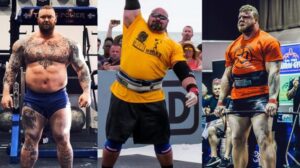
Hypertrophy vs strength training is a topic that piques the interest of many fitness enthusiasts and athletes alike. It delves into two fundamental approaches to training, each with its unique benefits and applications. Understanding the nuances between these training styles not only helps individuals tailor their workouts to meet specific goals but also enhances their overall performance in various sports.
Hypertrophy focuses on increasing muscle size through specific exercises designed to promote muscle growth, while strength training emphasizes improving the maximum force that muscles can exert. Both training regimens play critical roles in physical development, and recognizing the physiological adaptations and factors influencing each can lead to more effective training strategies.
Understanding Hypertrophy and Strength Training

Hypertrophy and strength training are two distinct, yet often interrelated, forms of resistance training that cater to specific fitness goals. While they may seem similar, the objectives, methods, and outcomes can vary significantly. This discussion highlights their differences, provides examples of relevant exercises, and Artikels the physiological adaptations that each training style induces in the body.Hypertrophy training primarily focuses on increasing muscle size through targeted resistance exercises, while strength training aims to improve overall force output.
The distinction lies in the volume, intensity, and rep ranges typically employed in each approach. Hypertrophy is often achieved through higher repetitions and moderate weights, while strength training usually involves lower repetitions with heavier loads.
Examples of Exercises for Hypertrophy and Strength Training
Understanding the types of exercises that promote hypertrophy versus strength is crucial for anyone looking to tailor their training for specific outcomes. The following sections categorize exercises based on their intended purpose:For hypertrophy, exercises are designed to induce muscle fatigue and promote growth through higher volume training. Common hypertrophy-focused exercises include:
- Bench Press (Dumbbell or Barbell)
- Squats (Back Squat or Front Squat)
- Deadlifts (Conventional or Romanian)
- Bicep Curls (Dumbbell or Cable)
- Leg Press
In contrast, strength training emphasizes maximal force production. This is typically achieved through compound movements with heavier weights and lower rep ranges. Key strength-focused exercises include:
- Barbell Squats
- Deadlifts
- Bench Press
- Overhead Press
- Pull-Ups or Weighted Pull-Ups
Physiological Adaptations from Each Training Style
The body undergoes distinct physiological changes in response to hypertrophy and strength training, which affect muscle composition and function. Hypertrophy training leads to:
- Increased cross-sectional area of muscle fibers.
- Enhanced satellite cell activity, which aids in muscle repair and growth.
- Higher levels of muscle glycogen storage, which can improve endurance.
Strength training, on the other hand, promotes:
- Neuromuscular adaptations, such as improved motor unit recruitment and synchronization.
- Greater muscular density and strength without necessarily increasing muscle size.
- Elevated levels of enzymatic activity which aids in energy production during high-intensity efforts.
Both training styles have unique benefits and can lead to improved athletic performance, but understanding their core differences is essential for effective program design and achieving specific fitness goals.
Factors Influencing Hypertrophy and Strength Outcomes
The realm of hypertrophy and strength training is shaped by various factors that can significantly alter the results of your workouts. Understanding these factors can help individuals tailor their training and nutrition strategies to achieve optimal outcomes. This segment will explore the critical elements that influence muscle growth and strength development, including training volume, intensity, frequency, nutrition, and recovery.
Key Training Factors
The effectiveness of a training program is influenced by several key factors, particularly training volume, intensity, and frequency. These components work synergistically to promote hypertrophy and strength.
- Volume: Refers to the total amount of work done in a training session, typically calculated as sets multiplied by repetitions. Higher volumes have been linked to increased muscle hypertrophy, as they create greater metabolic stress and muscle damage, leading to adaptations.
- Intensity: Defined as the amount of weight lifted relative to an individual’s maximum capacity. Training at higher intensities is crucial for strength gains, as it challenges the nervous system and promotes neural adaptations. A common guideline is to lift 70-85% of your one-rep max for optimal strength improvements.
- Frequency: Refers to how often a muscle group is trained per week. Training a muscle group multiple times weekly can enhance muscle protein synthesis and contribute to improved hypertrophy. A frequency of 2-3 times per week for each muscle group is often recommended for those seeking growth.
Nutritional Impact
Nutrition plays a pivotal role in supporting both hypertrophy and strength training. Adequate macronutrient intake is essential for muscle repair, recovery, and growth.
- Protein: Essential for muscle repair and growth, a general guideline is to consume 1.6 to 2.2 grams of protein per kilogram of body weight daily. Protein-rich foods such as lean meats, dairy, legumes, and protein supplements can help meet these needs.
- Carbohydrates: They serve as the primary energy source for high-intensity training. Consuming adequate carbohydrates can replenish glycogen stores and enhance performance, which is critical for both hypertrophy and strength gains.
- Fats: While often overlooked, healthy fats are important for hormonal balance, which can influence muscle growth. Sources of healthy fats include avocados, nuts, seeds, and olive oil.
Role of Recovery and Rest
Recovery and rest are vital components of any effective training regimen. Without proper recovery, the body cannot repair itself, which limits muscle growth and strength development.
- Sleep: Quality sleep is crucial for recovery and hormonal regulation. Aim for 7-9 hours of sleep per night to optimize growth hormone levels and muscle recovery.
- Active Recovery: Incorporating low-intensity exercises on rest days can promote blood flow to the muscles, aiding in recovery and reducing soreness.
- Rest Days: Scheduling regular rest days prevents overtraining, allowing muscles to recover and grow. Active individuals should include at least one to two full rest days per week.
“Recovery is not an optional part of training; it’s an essential component that allows the body to adapt and grow stronger.”
Application in Various Sports
The principles of hypertrophy and strength training are fundamental across multiple sports disciplines, influencing performance outcomes and athlete development. Understanding how these training modalities apply within different sports allows coaches and athletes to tailor their regimens for optimal results, enhancing both strength and muscle growth specific to their sport.In martial arts, athletes often prioritize strength training to improve explosive power and agility, which are crucial for executing techniques effectively.
This contrasts with track and field, where sprinters may need a blend of hypertrophy for muscle endurance and strength for explosive starts. Strength sports, like powerlifting or Olympic weightlifting, focus almost exclusively on maximizing strength, with hypertrophy training serving as a supportive component to build muscle mass and support heavier lifts.
Comparison of Training Regimens in Different Sports
Athletes in diverse sports often follow distinct training regimens that reflect their performance needs. For instance, motorsport athletes emphasize core stability and upper body strength to manage high-speed vehicles, while water sports athletes focus on a combination of strength and endurance to enhance performance in their respective disciplines. To illustrate the differences in training methodologies, the table below Artikels specific training methods used in team sports versus individual sports to enhance performance:
| Sport Type | Training Focus | Common Methods |
|---|---|---|
| Team Sports | Strength and Hypertrophy |
|
| Individual Sports | Strength Focused |
|
The strategies employed in team sports often involve collaborative practices that build camaraderie and tactical understanding, while individual sports typically allow for a more personalized approach to training, focusing on the athlete’s unique strengths and weaknesses. Each method is designed to maximize the athlete’s potential, taking into consideration the specific demands of their sport.
Closure
In conclusion, navigating the world of Hypertrophy vs strength training allows athletes and fitness enthusiasts to optimize their training according to their personal goals and sports requirements. By understanding the differences and how they apply to various disciplines, individuals can make informed decisions about their training methods, ensuring they achieve the results they desire. Whether one aims for increased muscle size or enhanced strength, a tailored approach will pave the way for success.
FAQ Resource
What is the main goal of hypertrophy training?
The main goal of hypertrophy training is to increase muscle size through specific exercises and higher volume.
How often should I incorporate strength training into my routine?
It’s recommended to include strength training at least 2-3 times a week for optimal results.
Can I achieve hypertrophy and strength gains simultaneously?
Yes, it is possible to achieve both hypertrophy and strength gains simultaneously with a well-structured training program.
What role does nutrition play in hypertrophy and strength training?
Nutrition is crucial as it provides the necessary energy and nutrients to support muscle recovery and growth.
Are there specific exercises better suited for hypertrophy than strength training?
Yes, exercises such as higher-rep squats or bench presses are generally better for hypertrophy, while low-rep heavy lifts focus more on strength.