Strongman training programs are rapidly gaining popularity among fitness enthusiasts looking to enhance their strength and power. This unique form of training involves lifting unconventional objects and performing dynamic movements that go beyond traditional weightlifting. With a focus on functional strength, strongman training not only builds muscle but also improves endurance, coordination, and overall athleticism.
This approach to strength training emphasizes core principles such as progressive overload and varied resistance, making it an exciting alternative to conventional gym workouts. By incorporating a wide range of exercises—from tire flips to atlas stone lifts—strongman training offers a well-rounded regimen that challenges the body in new ways while fostering a supportive community of athletes.
Strongman Training Programs Overview
Strongman training programs are designed to develop all-around strength, power, and endurance through a variety of unique and challenging lifts and events. Unlike traditional strength training that typically focuses on bodybuilding or powerlifting techniques, strongman training incorporates a diverse range of functional movements that simulate real-world tasks. This training approach not only builds muscle mass but also enhances overall athletic performance.The principles behind strongman training center on building functional strength through multi-joint, compound movements.
This is achieved by engaging various muscle groups simultaneously, mimicking the type of physical challenges faced in everyday life or competitive scenarios. Strongman training emphasizes functional lifts and carries, promoting core stability and coordination. The benefits of this training include improved overall strength, increased muscle mass, better grip strength, enhanced cardiovascular endurance, and a greater degree of flexibility.
Core Exercises in Strongman Training
Strongman routines typically consist of a variety of exercises that challenge both strength and endurance. These exercises are not just about lifting heavy weights; they focus on the execution of complex movements that require coordination and balance. Key exercises commonly found in strongman training include:
- Deadlifts: A foundational movement that targets the posterior chain, engaging the back, glutes, and hamstrings. Variations like the axle deadlift or zombie deadlift add unique challenges.
- Log Press: This exercise builds shoulder strength and requires stabilization, mimicking the lifting of heavy objects overhead. The log itself adds an element of instability due to its size and shape.
- Stone Lifts: Often involving lifting heavy stones onto platforms, this exercise is a hallmark of strongman competitions, enhancing grip and overall body strength.
- Farmer’s Walk: Carrying heavy weights in each hand over a set distance improves grip strength, endurance, and core stability.
- Atlas Stones: Lifting stones of various sizes from the ground to a platform, this exercise challenges strength and technique, emphasizing full-body power.
The unique combination of these exercises ensures that participants develop a well-rounded physique equipped to handle diverse physical tasks. This not only translates to improved performance in competitions but also offers practical strength benefits for daily activities.
Designing a Strongman Training Program
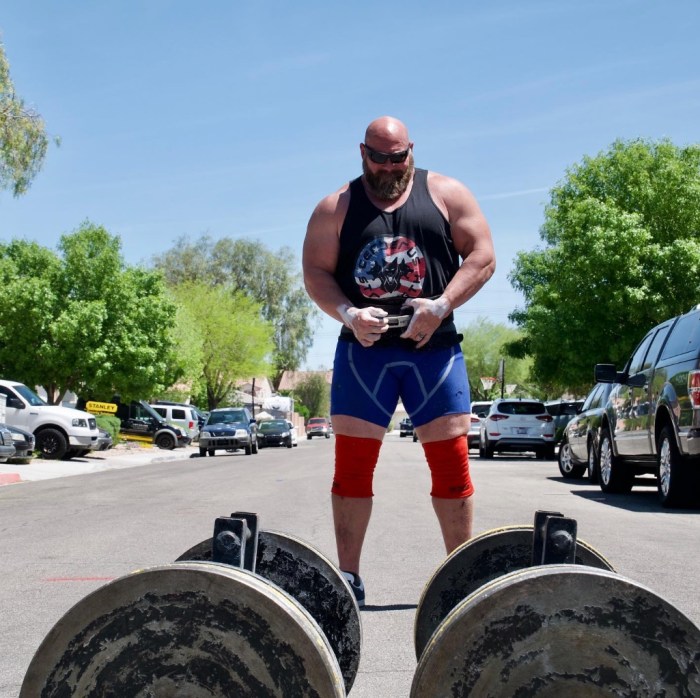
Creating an effective strongman training program requires a thoughtful approach, especially for beginners who are just starting their journey. This program should emphasize foundational strength, proper technique, and gradual progression to help participants build confidence and capability in various strongman events.
Sample Weekly Training Schedule for Beginners
A well-structured training schedule is essential for beginners to familiarize themselves with the unique demands of strongman training. Below is a sample weekly training routine that balances strength training, skill development, and recovery.
| Day | Training Focus | Exercises |
|---|---|---|
| Monday | Leg Strength | Squats, Deadlifts, Farmer’s Walk |
| Tuesday | Upper Body Strength | Log Press, Bench Press, Pull-Ups |
| Wednesday | Event Training | Stone Lifts, Tire Flips |
| Thursday | Recovery and Mobility | Light Cardio, Stretching, Foam Rolling |
| Friday | Mixed Strength | Sandbag Carries, Axle Deadlifts |
| Saturday | Conditioning and Endurance | Strongman Circuits, Sled Drags |
| Sunday | Rest | Active Recovery (walking, light activity) |
Methods to Progress in Strongman Training
Progression in strongman training is crucial for continual improvement in strength and technique. The focus should be on both increasing weight and refining skills to ensure safe and effective training. To ensure effective progression, consider the following strategies:
Incremental Weight Increase
Gradually increase the weights used in training by 5-10% when you feel confident performing an exercise with proper form.
Technique Mastery
Prioritize perfecting your technique in lifts and carries before adding weight. This prevents injury and builds a solid foundation.
Varying Repetitions and Sets
Incorporate different rep ranges (e.g., 3-5 for strength, 8-12 for hypertrophy) to challenge your body in various ways.
Event-Specific Training
Focus on the specific events you wish to compete in and practice those regularly. Skills like tire flips or stone lifts require frequent practice to master.
Regularly re-evaluate your training program to ensure it aligns with your evolving goals and capabilities.
Importance of Nutrition in Strongman Training Regimen
Nutrition plays a pivotal role in supporting a strongman training regimen. A well-rounded diet not only fuels workouts but also supports recovery, muscle growth, and overall performance. Key nutritional considerations include:
Caloric Needs
Strongman athletes require a caloric surplus to support their intense training. This often translates to consuming more than 3,500 to 5,000 calories daily, depending on individual body size and activity levels.
Macronutrient Balance
Focus on a balanced intake of protein, carbohydrates, and fats. Aim for approximately 1.2-2.0 grams of protein per kilogram of body weight to promote muscle recovery and growth. Complex carbohydrates should make up a significant portion to provide the necessary energy for workouts, while healthy fats are essential for hormonal balance and overall health.
Hydration
Staying hydrated is crucial, especially during intense training sessions. Proper hydration enhances strength, endurance, and recovery. Aim for at least 3-4 liters of water daily, adjusting based on activity levels and climate conditions.
Meal Timing
Consuming a meal rich in protein and carbohydrates post-workout can enhance recovery and muscle synthesis. Aim for a meal or snack within 30 minutes after training.
Adequate nutrition is the backbone of any strongman training program, enabling athletes to perform at their best and recover effectively.
Related Sports and Their Training Programs
In the realm of strength sports, strongman training stands out for its unique requirements and challenges. While it shares commonalities with other disciplines like powerlifting and bodybuilding, each sport has distinct training methods tailored to specific goals. Understanding these differences can provide valuable insights into how athletes can diversify their training regimens for optimal performance.
Comparison with Powerlifting and Bodybuilding
Strongman training, powerlifting, and bodybuilding each focus on building strength, but they do so in markedly different ways. Powerlifting emphasizes maximal strength through three main lifts: the squat, bench press, and deadlift. In contrast, bodybuilding prioritizes muscle hypertrophy and aesthetic development, often utilizing varied rep ranges and isolation exercises. Strongman training combines elements of both, focusing on functional strength through a variety of events, including tire flips, stone lifts, and yoke carries.
The training regimens typically differ in intensity and volume. Powerlifters often lift heavy weights for fewer repetitions, while bodybuilders may perform higher repetitions with moderate weights to induce muscle growth. Strongman athletes, on the other hand, may employ a mix of heavy lifting and endurance-based conditioning, preparing them for the diverse demands of competition. Key differences include:
- Focus of Training: Powerlifting centers on maximal lifts, bodybuilding on aesthetics, and strongman on functional strength.
- Training Methodology: Powerlifters often follow linear progression models, bodybuilders may use periodization for hypertrophy, while strongman workouts include varied events to simulate competition.
- Equipment Use: Powerlifting typically uses barbells, bodybuilders utilize a mix of free weights and machines, whereas strongman training features unconventional implements like logs and atlas stones.
“Strongman training is about developing the capacity to lift and carry a variety of objects, mimicking real-world strength demands.”
Complementary Aspects of Martial Arts Training
Incorporating martial arts into a strongman training program can enhance overall athleticism and functional power. The dynamic movements and explosive techniques inherent in martial arts complement the brute strength required in strongman events. Practicing martial arts can improve agility, coordination, balance, and mental focus— all essential attributes for a strongman competitor. Training in disciplines like Brazilian Jiu-Jitsu or Muay Thai not only builds muscular endurance but also promotes flexibility and reflexes, supporting the diverse physical challenges seen in strongman contests.The integration of martial arts may involve:
- Improved Agility: Enhancing the ability to move quickly and change direction, beneficial during events like the farmer’s walk.
- Increased Core Strength: Many martial arts techniques require intense core engagement, which aids in stabilizing heavy lifts.
- Improved Mental Toughness: The discipline and focus required in martial arts translate effectively to the mental challenges faced in strongman competitions.
Differences in Conditioning Methods with Track and Field Athletes
Conditioning methods in strongman training diverge significantly from those employed by track and field athletes. While track athletes often focus on speed and endurance through activities like sprinting and long-distance running, strongman conditioning emphasizes strength endurance through functional movements. Strongman training includes exercises designed to replicate event conditions, such as high-repetition lifts and carries, which forge both strength and stamina.
In contrast, track and field conditioning might involve interval training and plyometrics aimed at maximizing speed and power output.Key distinctions in conditioning methods include:
- Type of Conditioning: Strongman training incorporates heavy, functional movements, while track and field emphasizes cardiovascular fitness and explosiveness.
- Endurance Focus: Strongman workouts often utilize longer sets with heavier loads to build strength endurance, whereas track athletes perform short bursts of high-intensity work.
- Recovery Protocols: Recovery strategies differ, with strongman athletes focusing on muscle recovery from intense lifts, while track athletes might prioritize aerobic recovery techniques.
“The conditioning for strongman is about preparing for the grind of lifting and moving heavy objects, contrasting sharply with the speed-focused conditioning of track and field.”
Final Wrap-Up
In conclusion, engaging in strongman training programs can transform your fitness journey by offering a distinct blend of challenge, camaraderie, and impressive results. Whether you are a seasoned athlete or just starting out, these programs provide a comprehensive path to building strength and skills that can be utilized in various sports and activities. So, why not embrace the spirit of strongman training and redefine your limits?
Key Questions Answered
What is the primary focus of strongman training programs?
The primary focus is on developing functional strength through lifting and moving heavy, unconventional objects.
Are strongman training programs suitable for beginners?
Yes, strongman training can be adapted for beginners with proper guidance and progressive training plans.
How does nutrition impact strongman training?
Nutrition plays a crucial role in recovery, muscle gain, and overall performance, requiring a well-balanced diet.
Can strongman training help with weight loss?
Yes, strongman training can aid in weight loss due to its high-intensity nature and calorie-burning potential.
How often should one train for strongman events?
Typically, training 3-5 times a week allows for adequate strength development and recovery.