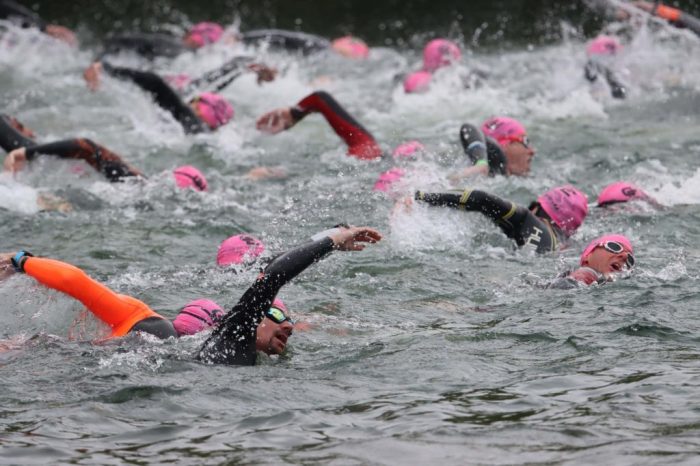
Open water swimming events offer an exhilarating blend of competition and nature, drawing swimmers into lakes, oceans, and rivers worldwide. These events have evolved over decades, showcasing a rich history that connects athletes to aquatic environments while promoting fitness and camaraderie.
The variety of competitions, from long-distance races to relay challenges, highlights the versatility and appeal of open water swimming. Participants not only compete for glory but also experience the unique thrill of navigating natural waters, making each event a memorable adventure.
Overview of Open Water Swimming Events
Open water swimming has a rich history that dates back centuries, evolving from a survival skill into a competitive sport. The allure of swimming in natural bodies of water has captivated athletes and spectators alike, leading to the establishment of numerous events worldwide. This sport not only tests physical endurance but also showcases the beauty and challenges of aquatic environments, making it a significant branch of the aquatic sports realm.The evolution of open water swimming can be traced back to ancient civilizations where it was a critical skill for survival and exploration.
Over time, it transformed into organized competitions, with the first known open water race occurring in 1837 in London. As the sport gained popularity, it expanded globally, with notable events such as the English Channel crossing and various national championships. Today, open water swimming includes a wide array of formats, each offering unique challenges and experiences for participants.
Types of Open Water Swimming Competitions
Open water swimming competitions vary widely in terms of distance, location, and format. These events can be categorized into several types, each with its own unique characteristics and appeal. Understanding these competitions is essential for both athletes and spectators who appreciate the sport’s diversity.
- Marathon Swims: These are long-distance races that often cover grueling distances of 10 kilometers or more, set in open water environments like lakes, rivers, or the ocean. An example of a renowned marathon swim is the 21-kilometer swim across the English Channel, which challenges swimmers with cold temperatures and strong tides.
- Team Relay Events: These competitions involve teams of swimmers taking turns to complete designated sections of a course. The FINA World Open Water Swimming Championships frequently features relay events, fostering teamwork and strategy.
- Age Group Competitions: Many open water events cater to various age groups, allowing swimmers of all ages to participate. These competitions often feature shorter distances, making them accessible to younger and less experienced swimmers. Events like the USA Swimming Open Water National Championships offer age-specific categories to promote inclusivity.
- Extreme Environments: Some events are held in particularly challenging environments, such as the Ice Swim in icy waters or races in high-altitude lakes. These events are designed for exceptionally skilled swimmers and often require specialized training and acclimatization.
“Open water swimming blends the thrill of competition with the unpredictability of nature, making every race a unique adventure.”
Significance of Open Water Swimming in Aquatic Sports
Open water swimming holds a significant place within the broader context of aquatic sports, emphasizing not only athletic prowess but also environmental awareness. This discipline engages swimmers with natural ecosystems, fostering a connection to water bodies that many may only experience recreationally.The significance of open water swimming can be seen through various lenses. Firstly, it promotes physical fitness and endurance, as swimmers must navigate not only distance but also elements such as currents, waves, and weather conditions.
Secondly, open water events often serve as a platform for environmental advocacy, raising awareness about the health of aquatic ecosystems. Many competitions collaborate with environmental organizations to promote clean water initiatives and conservation efforts.Additionally, open water swimming fosters a sense of community among participants and enthusiasts. Events are often festive occasions that bring together diverse groups of people, from elite athletes to casual swimmers, all sharing a passion for the water.
This camaraderie enhances the experience and promotes a culture of inclusivity within the sport.As open water swimming continues to grow, its impact on health, environment, and community becomes increasingly apparent, securing its place as a vital segment of aquatic sports.
Safety and Regulations in Open Water Swimming

Open water swimming presents unique challenges and risks that require careful attention to safety measures and regulations. Participants must be well-prepared and informed to ensure their safety and the safety of others during events held in natural bodies of water. This section will explore essential safety practices, legal considerations, and the role of governing bodies in overseeing open water competitions.
Safety Measures for Participants
Engaging in open water swimming involves various safety protocols to protect swimmers. These measures are critical for minimizing risks associated with unpredictable water conditions and environmental factors. Important safety practices include:
- Wearing Appropriate Gear: Swimmers should wear brightly colored swim caps for visibility, wetsuits for thermal protection, and goggles to enhance visibility underwater.
- Buddy System: Participants are encouraged to swim with a partner or within a designated group to ensure assistance is available in case of emergencies.
- Pre-race Briefing: Swimmers must attend pre-event briefings where race organizers Artikel safety protocols, potential hazards, and course details.
- Monitoring Conditions: Organizers should regularly assess water conditions and weather forecasts to make informed decisions about race day viability.
- Emergency Response Plans: Events must have clear emergency procedures in place, including rescue boats and trained lifeguards strategically positioned along the course.
Legal Issues in Open Water Swimming Events
The organization of open water swimming events involves various legal considerations, specifically around liability and insurance. These legal frameworks are essential for protecting both participants and event organizers. Key aspects include:
- Liability Waivers: Participants often sign waivers that release organizers from liability for injuries sustained during the event, provided negligence is not a factor.
- Insurance Requirements: Event organizers typically need liability insurance to cover potential claims and protect against lawsuits stemming from injuries or accidents.
- Local Regulations: Events must comply with local regulations governing water safety, environmental impact, and public health, which may include permits and compliance checks.
- Informed Consent: Participants must be informed about the risks associated with open water swimming, allowing them to make educated decisions about their participation.
Role of Governing Bodies in Open Water Swimming
Governing bodies and organizations play a crucial role in regulating open water swimming competitions to ensure fairness and safety. Their influence extends to various facets of event organization, including:
- Standardizing Rules: Organizations like FINA (Fédération Internationale de Natation) establish rules and guidelines for open water events, covering distance, course layout, and conduct of swimmers.
- Certification of Events: Many governing bodies certify events, ensuring they meet specific standards for safety and competitive integrity.
- Training and Education: Governing organizations provide training programs and resources for event organizers and safety personnel, promoting best practices in open water swimming.
- Advocacy for Safety: These bodies advocate for swimmer safety, encouraging the implementation of safety measures and legal protections across the sport.
The safety and regulatory environment of open water swimming is fundamental to ensuring participants can enjoy the sport while minimizing risks associated with natural water conditions and competitive pressures.
Open Water Swimming and Its Connection to Other Sports
Open water swimming is not just a standalone discipline; it forms an integral part of a broader aquatic sports landscape. By examining how it connects with other water sports like triathlon and lifesaving competitions, as well as its relationship with team sports, we can appreciate its versatility and the skills it imparts to athletes across various disciplines.
Comparison with Triathlon and Lifesaving Competitions
Open water swimming serves as the foundation for triathlon events, where it is the first leg of a race that includes cycling and running. Athletes must master open water techniques to excel in triathlons, as factors such as waves, currents, and temperature can greatly influence performance. Additionally, lifesaving competitions require skills that overlap with open water swimming, including endurance and rescue techniques.
Lifesavers often practice open water swimming to improve their speed and efficiency in rescuing distressed swimmers.
Connection to Team Sports
In team sports, relay events or team challenges in open water swimming highlight the importance of collaboration and strategy. Teams compete in relay formats, where each swimmer covers a certain distance before handing off to the next teammate. This format not only emphasizes individual performance but also the cohesion of the team as a whole. Such events foster camaraderie and enhance communication skills among team members, making them essential for team dynamics in various sports.
Transferable Skills to Other Disciplines
The skills acquired through open water swimming can significantly benefit athletes in related disciplines such as martial arts and strength sports. The discipline required in open water training sharpens mental fortitude, which is crucial for martial artists who must remain focused and resilient during competitions. Additionally, the strength and endurance built through open water swimming directly translate to improved performance in strength sports, where cardiovascular fitness is paramount for overall athletic success.
“The endurance gained through open water swimming is invaluable in any sport that requires sustained physical exertion.”
Final Summary
In summary, open water swimming events are not just tests of endurance; they represent a vibrant community grounded in safety and mutual respect for the water. As the sport continues to evolve, it fosters connections between athletes and inspires new generations to embrace the challenges and joys of swimming in open waters.
Questions Often Asked
What are the most popular open water swimming events?
Some of the most popular events include the Swim Around Key West, the Great North Swim, and various Olympic marathon swimming competitions.
How do I prepare for an open water swimming event?
Preparation involves training in similar conditions, practicing sighting techniques, and familiarizing yourself with the course if possible.
What safety gear should I use during open water swimming?
Common safety gear includes a wetsuit for thermal protection, swim buoys for visibility, and goggles for clear vision.
Are there age restrictions for participants in open water swimming events?
Most events have age group categories, but specific restrictions vary by event, so it’s best to check the event rules.
Can beginners participate in open water swimming events?
Yes, many events offer beginner categories or shorter distances suitable for novice swimmers.