Behind the scenes of sports events sets the stage for this enthralling narrative, offering readers a glimpse into a story that is rich in detail and brimming with originality from the outset.
Every major sporting event is a complex tapestry woven from countless threads of organization, coordination, and execution. From the logistical hurdles faced during the planning stages to the intricate roles of staff members on the day of the event, the behind-the-scenes action is often just as thrilling as the competitions themselves. Understanding the interactions between security, media, and team management can provide a deeper appreciation for the spectacle that unfolds before fans worldwide.
Behind the Scenes of Major Sporting Events
The intricacies of organizing major sporting events involve meticulous planning and coordination among various teams. While the spotlight shines brightly on athletes and games, a dedicated group of professionals works tirelessly behind the scenes to ensure everything runs smoothly. Understanding their roles provides a glimpse into the complexities of these large-scale events.Logistical challenges are a significant aspect of planning large tournaments.
From securing venues to managing transportation and accommodations for teams, the process is multifaceted. Each event demands careful consideration of timelines, resource allocation, and contingency plans to address potential issues that may arise. For example, during the 2021 Tokyo Olympics, organizers faced unprecedented challenges due to COVID-19, leading to last-minute changes and strict health protocols that had to be implemented swiftly.
Logistical Challenges in Planning
The planning phase of major sporting events involves numerous logistical hurdles that require strategic solutions. Key considerations include:
- Venue Selection: Choosing the right location involves evaluating capacity, accessibility, and facilities to accommodate both spectators and participants.
- Transportation Management: Coordinating transport for teams, officials, and fans while minimizing disruptions and ensuring safety is critical.
- Accommodation Arrangements: Booking hotels and housing that meet the needs of diverse groups, including athletes, staff, and media, while keeping costs manageable is essential.
- Scheduling: Creating a timetable that allows for efficient use of resources and ensures that all events can proceed as planned without delays.
The complexity increases significantly during live events, where the execution of operations requires seamless collaboration among key staff members. Each individual plays a vital role in ensuring that every aspect of the event is on schedule and running efficiently.
Roles and Responsibilities of Key Staff Members
During live events, numerous staff members work together, each with distinct responsibilities that contribute to the event’s overall success. These roles include:
- Event Manager: Oversees all event logistics, coordinates between departments, and ensures that everything is on track from start to finish.
- Security Personnel: Responsible for maintaining safety and managing crowds, ensuring that protocols are followed without incident.
- Media Relations Team: Handles press and media inquiries, organizes press conferences, and ensures that coverage of the event is positive and well-coordinated.
- Technical Staff: Manages audiovisual requirements, including lighting and sound, ensuring that presentations and broadcasts meet professional standards.
Effective coordination among different departments is paramount for a successful event. Each department, from security to media and team management, must work in harmony to address challenges as they arise.
Coordination Between Different Departments
The interaction among various departments during major sporting events showcases the importance of teamwork. Successful events rely on strong communication and cooperation. Here are some key areas of focus:
- Collaboration: Departments must communicate effectively to share updates, address issues, and adjust plans based on real-time feedback.
- Information Sharing: Regular briefings ensure that all teams are aligned on schedules, security protocols, and emergency procedures.
- Resource Allocation: Departments need to coordinate the allocation of resources, including personnel and equipment, to ensure efficiency.
- Conflict Resolution: The ability to quickly resolve conflicts or unexpected challenges is critical for maintaining a smooth operation.
In major sporting events, the collective effort of these key components exemplifies the dedication required to create memorable experiences for athletes and fans alike.
Legal and Ethical Issues in Sports Events
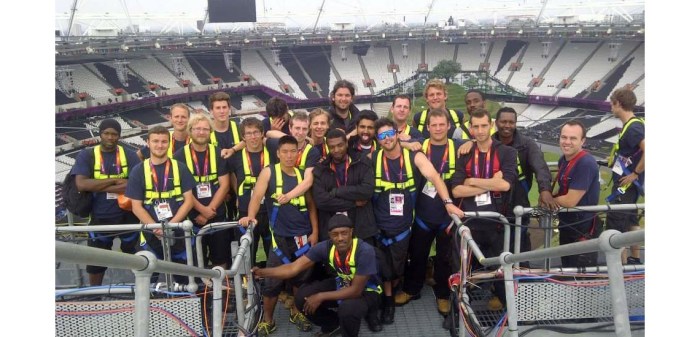
Organizing sports events involves navigating a complex landscape of legal and ethical considerations. Event organizers must ensure compliance with various regulations while upholding the rights and safety of athletes. Understanding these challenges is crucial for successful event management.Legal challenges surrounding sports events often arise from a variety of factors, including contracts, liability issues, and compliance with regulatory standards. These challenges can affect both the organizers and the participants.
For instance, issues such as breach of contract can occur if sponsors or venues fail to deliver on agreed terms. Additionally, liability concerns emerge when accidents happen on-site, leading to potential lawsuits.
Common Legal Challenges
Several legal challenges are common in the organization of sports events. Awareness of these issues helps mitigate risks and ensures a smooth execution of events:
- Liability Issues: Organizers must consider liability insurance to protect against claims arising from injuries or accidents during events.
- Contractual Disputes: Agreements with sponsors, vendors, and venues can lead to disputes if terms are not clearly defined or adhered to.
- Intellectual Property Rights: Protecting logos, branding, and promotional materials is essential to maintain the integrity of the event.
- Regulatory Compliance: Each sport often has specific rules and regulations that must be followed, which can vary by jurisdiction.
Ethical considerations play a vital role in ensuring fairness and respect for all participants involved in sports events. Organizers have a responsibility not only to the athletes but also to the fans and communities surrounding the events. Upholding athlete rights, ensuring safety protocols, and promoting inclusivity are key ethical duties.
Ethical Considerations for Event Organizers
Event organizers must adhere to certain ethical standards, which include:
- Athlete Rights: Ensuring athletes have the right to compete fairly and without discrimination is fundamental.
- Safety Protocols: Implementing rigorous safety measures to protect athletes and spectators from harm is essential.
- Transparency: Open communication regarding rules, regulations, and changes in event schedules fosters trust and integrity.
- Fair Play: Encouraging and enforcing sportsmanship among all participants is crucial for maintaining the spirit of competition.
When comparing regulations governing amateur and professional sports events, significant differences impact legal implications. Amateur events often have more lenient regulations, reflecting a focus on participation and enjoyment, while professional events are governed by strict legal frameworks due to the commercial nature of the sport.
Regulations in Amateur vs. Professional Sports Events
The legal implications for amateur and professional sports can vary greatly, influencing how events are organized and conducted:
- Amateur Sports: Generally prioritize participation and community engagement, leading to fewer legal complexities. However, issues like liability waivers still apply.
- Professional Sports: Subject to extensive regulations, including labor laws, contract negotiations, and anti-doping policies, professional sports require rigorous compliance and legal oversight.
- Liability Insurance: Professional events tend to have higher insurance requirements compared to amateur events, reflecting the increased risk and financial stakes involved.
- Sponsorship and Revenue Generation: Professional sports face more stringent regulations regarding sponsorship deals and revenue sharing, compared to amateur competitions which may rely on local sponsorships.
Unique Aspects of Different Sports Categories
Understanding the behind-the-scenes operations of various sports categories is essential for appreciating the complexities involved in organizing these events. From team sports to individual challenges and extreme sports, each category presents unique logistical requirements and operational considerations that directly impact performance and audience experience. This overview will delve into the intricacies involved in managing these different sports categories, highlighting the specific challenges faced by organizers.
Behind-the-Scenes Operations for Team, Individual, and Extreme Sports
Organizers of sports events must tailor their operations to the specific requirements of the sports being hosted. Team sports like basketball or soccer require extensive collaboration among coaches, players, and support staff, necessitating a comprehensive system for everything from training schedules to travel arrangements. Individual sports like tennis or athletics entail a different approach, where the focus is often on personal performance and individual coach-athlete dynamics.
Extreme sports, such as base jumping or rock climbing, involve unique safety protocols and risk assessments that must be meticulously planned to ensure participant safety and event success.The logistical requirements for these categories can vary significantly. For team sports, considerations include:
- Coordination of team travel and accommodation.
- Scheduling of practices and games around player availability.
- Management of equipment and uniforms.
In contrast, individual sports often require:
- Personalized training programs tailored to each athlete’s needs.
- Individual health and injury management strategies.
- Logistics related to travel for competitions scattered across various locations.
Extreme sports demand:
- Specialized training facilities and safety gear.
- Risk management strategies due to the potential hazards involved.
- Collaboration with local authorities for safety regulations and emergency responses.
Challenges Faced by Organizers of Water Sports Versus Winter Sports Events
Organizing events in water sports presents distinct challenges compared to winter sports. Water sports, which can include activities like surfing and kayaking, are heavily influenced by environmental conditions such as tides, weather, and water quality. Organizers must have contingency plans in place for sudden weather changes, ensuring participant safety while also catering to spectators. On the other hand, winter sports events, such as skiing and snowboarding, face challenges related to snow conditions and temperature fluctuations.
The logistics for ensuring a safe and competitive environment often require extensive infrastructure, including snow-making equipment and specialized grooming machinery to maintain the slopes. Both categories must also contend with:
- Participant safety measures tailored to their specific environments.
- Engagement of local communities for support and involvement.
- Marketing strategies that resonate with different audiences depending on the sport’s seasonal appeal.
Logistical Requirements for Motorsports Compared to Track and Field Meets
The logistical demands of motorsports events are significantly more complex than those of track and field meets. Motorsports require a considerable amount of infrastructure including, but not limited to, extensive pit areas, safety barriers, and grandstands designed to accommodate large crowds. Key logistical elements for motorsports include:
- Coordination of vehicle transport and maintenance prior to the event.
- Detailed safety protocols for both drivers and spectators.
- Collaboration with sponsors for branding and promotional activities around the track.
In contrast, track and field meets are often more straightforward, focusing on:
- Setting up individual event areas, such as for sprinting, jumping, and throwing.
- Managing athlete registration and event scheduling.
- Providing necessary equipment and facilities for warm-ups and competitions.
In summary, the unique aspects of different sports categories necessitate tailored approaches to organizing events, each with its specific challenges and requirements that impact the overall experience for athletes and audiences alike.
Final Wrap-Up
In conclusion, exploring the behind-the-scenes aspects of sports events reveals the dedication and expertise required to bring these games to life. From navigating legal challenges to accommodating various sports categories, the effort put forth by countless individuals ensures that each event runs smoothly. As viewers, we gain not only entertainment but also respect for the intricate processes that make these occasions possible.
Commonly Asked Questions
What are the main logistical challenges in sports events?
The main challenges include venue selection, scheduling conflicts, resource allocation, and ensuring safety protocols are in place.
How do organizers handle legal issues during events?
Organizers typically consult with legal experts to navigate contracts, liability issues, and compliance with local regulations.
What roles do volunteers play in sports events?
Volunteers assist in various capacities, from crowd management to helping with setup, making them vital to the event’s success.
How do different sports affect event planning?
Each sport has unique requirements regarding space, equipment, and safety measures, which directly influence planning and logistics.
What ethical considerations must organizers keep in mind?
Key ethical considerations include athlete safety, fair treatment, and ensuring accessibility for all participants and spectators.