Freediving training programs open up a world of underwater exploration, where the thrill of diving deep meets the tranquility of the sea. Whether you’re a beginner looking to dip your toes in or an experienced diver aiming for new depths, these programs cater to all skill levels and offer unique insights into breath control and aquatic safety.
With various training options available globally, understanding the nuances of each program is essential to ensure a safe and enriching experience. Emphasizing safety protocols and selecting the right course based on your skills can elevate your freediving journey, making it both enjoyable and rewarding.
Freediving Training Programs Overview
Freediving training programs cater to a variety of skill levels and objectives, ranging from beginners looking to explore the underwater world to advanced divers preparing for competitive events. These programs typically emphasize not only the technical skills needed for freediving but also the importance of safety and fitness in the sport. Freediving programs globally vary significantly in their content and structure, often reflecting the unique environments and cultures of the regions they are based in.
Here are some common types of freediving training programs that divers may consider:
Types of Freediving Training Programs
The landscape of freediving training is diverse, incorporating various approaches and philosophies. The following highlights notable programs:
- Recreational Courses: These programs focus on introducing beginners to the basics of freediving, including breath-hold techniques, equalization, and safety measures. Organizations like AIDA and PADI provide internationally recognized certifications.
- Advanced Courses: For divers who have completed introductory courses, advanced training emphasizes deeper dives, longer breath-holding, and complex rescue techniques. These courses often require the completion of prerequisites to ensure safety and preparedness.
- Competitive Freediving Training: Targeted at those wishing to compete, these programs provide specialized training in disciplines such as static apnea, dynamic apnea, and depth disciplines, focusing on performance and technique enhancement.
- Online Training Programs: With the rise of digital learning, many organizations offer theoretical components of freediving courses online, allowing divers to learn at their own pace before completing practical sessions in the water.
Importance of Safety Protocols in Freediving Training
Safety is a paramount concern in freediving. The sport inherently involves risks associated with holding one’s breath underwater and potentially encountering challenging underwater conditions. Proper training must prioritize safety protocols to mitigate these risks.
- Buddy System: Always diving with a partner is crucial. This ensures that in case of an emergency, help is readily available, aligning with the mantra “never dive alone.”
- Pre-Dive Safety Checks: Before each dive, it is essential to conduct thorough equipment checks and establish clear communication signals between divers.
- Emergency Response Training: Courses should include training on how to respond to common emergencies, such as shallow water blackout or lung over-expansion injuries.
- Understanding Physiology: Knowledge of the body’s physiological responses to pressure changes, hypoxia, and hypercapnia is essential for safe diving practices.
Selecting the Right Freediving Training Program
Choosing a training program that fits your skill level and goals is critical. Consider the following factors to help make an informed decision:
- Assessing Skill Level: Understanding your experience and comfort in the water will guide you to the appropriate program. Beginners may need to focus on foundational skills, while experienced divers might seek advanced techniques.
- Instructor Qualifications: Verify the credentials of instructors and the organization offering the program. Instructors should have recognized certifications and experience in freediving.
- Program Structure: Look for programs that blend theoretical knowledge with practical experience. A structured curriculum that progressively builds skills is often beneficial.
- Location and Environment: The training environment can impact the learning experience. Programs held in locations with diverse underwater ecosystems can enhance the practical aspect of training.
“Freediving is not just about depth; it’s about the journey within.”
Benefits of Freediving Training
Freediving training offers a unique blend of physical and mental advantages that can enhance both performance in the water and overall well-being. Unlike many traditional athletic disciplines, freediving emphasizes a deep connection to one’s body and breath, making it a powerful practice for anyone looking to expand their capabilities. The benefits are vast, encompassing everything from increased lung capacity to improved mental focus.Regular freediving training leads to significant enhancements in physical fitness and mental acuity.
As practitioners engage in breath-holding techniques and underwater exploration, they experience improvements in their cardiovascular health, muscle endurance, and respiratory efficiency. The unique nature of freediving not only fosters physical strength but also builds mental resilience, allowing divers to remain calm and focused in challenging situations. This dual benefit makes freediving an exceptional training modality for athletes across various sports.
Physical and Mental Enhancements
The physical benefits of freediving training are profound, with a focus on both strength and stamina. Engaging in regular practice can lead to:
- Increased Lung Capacity: Freediving promotes greater lung expansion, enhancing oxygen intake and overall respiratory function.
- Improved Circulation: The training stimulates blood circulation, leading to better oxygen delivery and nutrient absorption throughout the body.
- Enhanced Muscle Tone: Swimming against resistance underwater builds muscle strength, particularly in the core, back, and legs.
- Increased Flexibility: The dynamic movements required in freediving enhance flexibility and overall body awareness.
In terms of mental benefits, freediving fosters a unique state of mindfulness and calm. The practice encourages divers to focus on their breathing, leading to:
- Stress Reduction: The meditative nature of breath control helps reduce stress and anxiety, promoting relaxation.
- Enhanced Focus: Concentrating on breath and technique sharpens mental clarity, which can translate to improved performance in other areas of life.
- Resilience Building: Overcoming the natural discomfort of breath-holding challenges mental fortitude and encourages a growth mindset.
Impact of Breath-Holding Techniques on Athletic Performance
Breath-holding techniques learned in freediving contribute significantly to overall athletic performance across various sports. Training to extend breath-holding capability not only improves lung efficiency but also teaches athletes to control their breath under pressure. This translates to better performance in endurance sports, as the ability to manage breathing can be crucial during high-intensity efforts.A key aspect of this training includes the concept of “apnea training,” which enhances the body’s tolerance to carbon dioxide and builds a stronger relationship with oxygen use.
Athletes from sports such as running, cycling, and swimming often implement these techniques to improve their stamina and delay fatigue. The physiological adaptations gained through freediving can lead to:
- Improved Endurance: Enhanced oxygen utilization and delayed onset of fatigue allow athletes to maintain high performance over longer periods.
- Better Recovery: Increased oxygen efficiency can facilitate quicker recovery times between training sessions and competitions.
- Strategic Breathing Techniques: Athletes can apply freediving breathing strategies to manage stress and optimize performance during competitions.
Comparison with Other Water Sports
Freediving stands apart from other water sports in terms of its holistic approach to training. While traditional water sports like swimming or water polo focus heavily on speed and competition, freediving emphasizes tranquility, breath control, and personal exploration. This creates a unique training environment that nurtures both the body and the mind.The benefits of freediving can be compared to those of other water sports, showcasing distinctive advantages:
- Lower Impact on Joints: Freediving is generally less taxing on the joints compared to high-impact sports like water polo or competitive swimming.
- Focus on Breath Control: Unlike most water sports, freediving training centers exclusively on breath-holding and relaxation techniques, leading to unique physiological adaptations.
- Mental Clarity: The meditative aspect of freediving training encourages a state of mindfulness that is less emphasized in other competitive water activities.
Legal and Ethical Considerations in Freediving
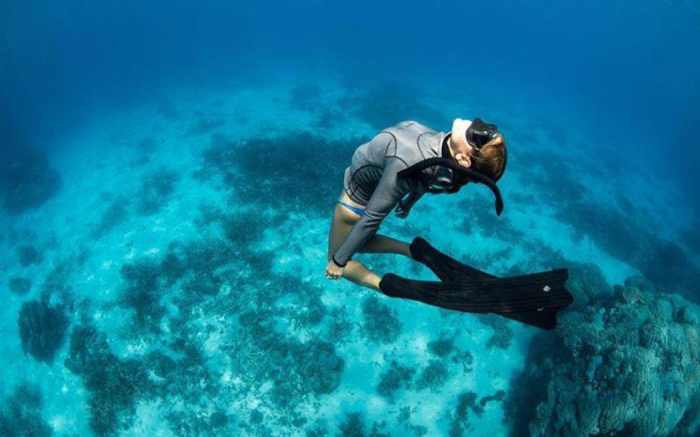
Freediving, while an exhilarating sport, comes with its own set of legal and ethical considerations. Navigating the regulations surrounding freediving training is essential to ensure not only personal safety but also the preservation of marine environments. This section delves into the legal frameworks governing freediving across different regions, the safety issues faced by freedivers, and the ethical practices that should be upheld during training.
Legal Regulations Surrounding Freediving Training
Various regions have different legal requirements and regulations when it comes to freediving training programs. Understanding these regulations is crucial for both trainers and trainees to remain compliant and safe.
- Certification Requirements: Many countries require freedivers to complete certified training programs that adhere to specific safety and instructional standards. For instance, organizations like AIDA and PADI establish guidelines that need to be followed.
- Safety Regulations: Some areas may have local laws regarding safety gear, such as mandatory use of flotation devices or buddy systems, especially in open water environments.
- Marine Protected Areas: Freediving in certain marine protected areas may be restricted or regulated to protect sensitive ecosystems. It’s important for freedivers to be aware of local marine conservation laws.
- Liability Waivers: Training programs often require participants to sign liability waivers, which Artikels the inherent risks associated with freediving and protects instructors and organizations from legal claims.
Safety Issues Faced by Freedivers
Freediving presents unique safety challenges that divers must address to ensure a safe experience while minimizing their impact on the environment.
- Risk of Shallow Water Blackout: One of the most significant risks associated with freediving is shallow water blackout, which can occur due to hypoxia. Understanding and educating divers about this risk is essential.
- Buddy System: The importance of diving with a buddy cannot be overstated. Having a partner ensures that help is readily available in case of an emergency.
- Environmental Awareness: Freedivers often encounter marine life and underwater habitats, making it imperative to practice responsible diving to minimize disturbances and protect ocean ecosystems.
- Training in Controlled Environments: New divers are encouraged to train in controlled environments before venturing into open water to gain practical experience and build confidence.
Ethical Practices in Freediving Training
Adhering to ethical practices is vital in maintaining the integrity of the sport and protecting the marine environment.
- Respecting Marine Life: Freedivers should avoid touching or disturbing marine organisms and habitats. Observing from a distance ensures that the natural behavior of marine life is not disrupted.
- Leave No Trace: Adopting a leave-no-trace approach where divers take away all waste and respect natural settings is crucial. This practice helps preserve the beauty of underwater environments.
- Education and Advocacy: Freedivers should engage in promoting awareness about marine conservation issues and advocate for responsible diving practices within their communities.
- Continuous Learning: Ethical freediving also involves a commitment to ongoing education, not only about diving techniques but also about environmental stewardship and safety advancements.
Summary
In conclusion, embarking on a freediving training program not only provides the tools to explore underwater environments safely but also enhances your physical and mental capabilities. As you dive into this world, remember to respect the ocean and adhere to ethical practices, ensuring that your adventures contribute positively to marine conservation.
FAQ Explained
What is freediving?
Freediving is an underwater diving discipline where divers rely on a single breath to explore depths without the use of breathing apparatus.
How long does it take to get certified in freediving?
Certification can take anywhere from a few days to a week, depending on the course and the individual’s learning pace.
Is freediving safe?
When proper safety protocols are followed, freediving can be safe. Training with certified instructors and understanding your limits is crucial.
What equipment do I need for freediving?
Basic equipment includes a wetsuit, mask, snorkel, and fins. More advanced divers may use weight belts and safety buoys.
Can anyone learn to freedive?
Yes, most people can learn to freedive, regardless of their swimming proficiency, as long as they take proper training and understand safety practices.